
























Ashwagandha Root Overview
Asia and Africa are home to the evergreen shrub known as ashwagandha. It is frequently used to relieve tension. Not much data supports its usage as a "adaptogen."
Chemicals in ashwagandha may help lower blood pressure, reduce edema, relax the brain, and change the immune system.
Ashwagandha is utilized to treat a variety of stress-related illnesses because it has long been employed as an adaptogen. Adaptogens are thought to support the body's ability to withstand both mental and physical stress. It is used to treat a variety of ailments, such as anxiety, aging, and sleeplessness, however the majority of these uses lack solid scientific backing. Additionally, there isn't any solid proof that ashwagandha can treat COVID-19.
Ashwagandha and Physalis alkekengi are not the same thing. They are both referred to as winter cherries. Additionally, ashwagandha should not be confused with eleuthero, Panax ginseng, or American ginseng.
Jump to any section below:
Ashwagandha Various Benefits and effects

Ashwagandha Benefits
Ashwagandha may help with sleep and sports performance, among other things. Although more thorough research is required, several studies indicate that this herb may benefit patients with issues including anxiety and infertility.
One of the most significant herbs in Ayurveda, a historic alternative medicine system founded on Indian natural healing principles, is ashwagandha.
For thousands of years, people have utilized ashwagandha (Trusted Source) to boost energy, reduce stress, and enhance focus.
The Sanskrit term "ashwagandha" means "smell of the horse," referring to both the herb's aroma and its possible strength-boosting properties.
In addition to its botanical name, Withania somnifera, it is sometimes referred to as "Indian ginseng" and "winter cherry."
Native to India and Southeast Asia, ashwagandha is a tiny shrub with yellow blooms. People cure a range of ailments, such as anxiety and infertility, with extracts or powder made from the plant's roots or leaves.
Based on study, below are eight possible advantages of ashwagandha.
Ashwagandha can reduce anxiety and tension.
The most well-known benefit of ashwagandha is perhaps its ability to lower stress. It is categorized as an adaptogen—a chemical that aids in the body's ability to handle stress.
Ashwagandha could be beneficial.Trusted Source regulates stress mediators such as cortisol, stress-activated c-Jun N-terminal protein kinase (JNK-1), and heat shock proteins (Hsp70).
Additionally, it lessens the activity of your body's hypothalamic-pituitary-adrenal (HPA) axis, which controls the stress response.
Supplementing with ashwagandha may help reduce stress and anxiety, according to ResearchTrusted Source.
Those who took 250 or 600 mg of ashwagandha extract for eight weeks experienced considerably lower levels of the stress hormone cortisol and less perceived stress than those who took a placebo, according to a small studyTrusted Source with 58 participants.
When compared to the placebo group, those who took ashwagandha supplements also experienced improvements in the quality of their sleep.
An additional studyAccording to a study by Trusted Source, individuals who took 240 mg of ashwagandha extract daily for 60 days had a significant decrease in anxiety when compared to those who were given a placebo.
Ashwagandha may therefore be a useful supplement for stress and anxiety, according to preliminary study.
But in 2021, a reviewAccording to research from a reliable source, there is insufficient data to draw firm conclusions on the best ashwagandha dosage and form for the treatment of neuropsychiatric diseases linked to stress, including anxiety.
Ashwagandha benefits sports and fitness performance
Everyone is searching for a competitive advantage in the realm of fitness and sports. Whether you're a weekend warrior or a professional athlete, you're always looking for natural solutions to improve your performance and recuperation.
Let's talk about ashwagandha, a potent herb that has long been utilized in Indian medicine. Because of its ability to improve strength, endurance, and recovery, it is becoming more and more popular among athletes and fitness aficionados. However, what is ashwagandha and what are its health benefits?
Performance dietitian and nutritionist Jacquelin Danielle Fryer, RD, CSCS, of Banner Sports Medicine Scottsdale, explains what it is, how it functions, and how it can improve your athletic performance.
Ashwagandha May reduce symptoms of some mental health conditions
Studies have shown that ashwagandha may help some people feel less stressed, anxious, or even depressed. Being an adaptogen, it fosters equilibrium and aids in the body's ability to adjust to stress. Ashwagandha may enhance physical performance, cognitive function, and sleep, according to some research.
Here's a closer look at the potential effects of ashwagandha on mental health:
Stress and Anxiety:
Lower cortisol levels:
Ashwagandha may aid in lowering cortisol, a stress hormone that can exacerbate mental health conditions like anxiety.
relaxing effect:
According to certain research, ashwagandha may have a relaxing impact that lessens the symptoms of anxiety.
Better sleep:
Since anxiety can worsen due to sleep deprivation, better sleep quality may be a beneficial side effect.
Depression:
Mood-lifting effects: Ashwagandha is used in Ayurvedic medicine because of its ability to improve mood, which may benefit certain people who are depressed.
Similar to antidepressants:
According to some research, ashwagandha may have effects that are similar to those of some prescription antidepressants.
Crucial Points to Remember:
Individual differences:
Each person may experience ashwagandha's effects differently.
Not a therapy substitute:
Professional mental health care should always be obtained before using ashwagandha.
Speak with a medical expert:
Before using ashwagandha, it is imperative that you consult your physician or other healthcare provider, particularly if you are taking other medications or have a pre-existing ailment.
Possible adverse effects:
Ashwagandha may result in headache, sleepiness, nausea, and diarrhea.
Dosage:
Although studies have employed doses ranging from 120 to 1,000 mg daily, effective dosages can vary.
Does ashwagandha increase the fertility of men?
According to recent studies, taking supplements of ashwagandha can increase male fertility. Because of the herb's potent antioxidants, recent systematic evaluations have linked ashwagandha supplementation to higher fertility. It has been found to be beneficial in the following primary ways:
Ashwagandha and its ability to increase male sperm count
Researchers examined the efficacy of ashwagandha against pentoxifylline and a placebo group in a triple-blind RCT. The sperm count, progressive motility, and morphology all improved by 21%, 21%, and 12.5%, respectively, in the ashwagandha-taking group. Ashwagandha was suggested as a superior substitute for pentoxifylline in the treatment of male infertility because it had no negative side effects.
Ashwagandha and the quality of sperm
Ashwagandha medication successfully decreased oxidative stress and enhanced semen quality parameters in fertile men, according to a study published in the American Society for Reproductive Medicine journal. Sperm membrane damage from oxidative stress can impact DNA fragmentation, motility, and shape. By reducing oxidative stress and cell death and raising critical metal ion concentrations, a different study conducted over three months demonstrated better semen quality.
More RCTs should be conducted, according to a comprehensive review of research on ashwagandha's effects on fertility, however there was encouraging indications that its use could alter serum hormonal profiles, oxidative biomarkers, and antioxidant vitamins in seminal plasma.
Ashwagandha and testosterone
By potentially boosting the function of endogenous antioxidants, ashwagandha can dramatically raise testosterone levels. In a 60-day randomized, double-blind, placebo-controlled research, 60 healthy adults were used to test the benefits of ashwagandha. The pharmacological activity and stress-relieving qualities of ashwagandha piqued the researchers' curiosity. Researchers analyzed testosterone levels and other substances as part of their investigation. Intake of the plant was linked to considerable reductions in anxiety, higher reductions in morning cortisol, and some increases in testosterone levels, with no negative effects identified. It was thought that modifications to the hypothalamus-pituitary-adrenal (HPA) axis might be the cause of the stress-relieving benefits. More RCTs are necessary to fully examine this mechanism, though.
In one study, older, overweight men who took ashwagandha for eight weeks saw a rise in testosterone levels.
According to a recent RCT study conducted in 2022, males who took ashwagandha for eight weeks saw a statistically significant increase in their serum testosterone levels when compared to the placebo group. They also reported feeling more sexually well-adjusted.
Does Ashwagandha Boost Female Fertility? Advantages & Uses

An Ayurvedic herb called ashwagandha may help with fertility. It can strengthen immunity, reduce stress, and increase energy. Ashwagandha is a popular herb because of its possible health advantages and capacity to enhance general wellbeing. The plant may have traits that affect several facets of fertility, from hormone management to increased sperm production.
Withania somnifera, commonly known as Indian ginseng, is another name for ashwagandha. This plant has been used in Ayurvedic medicine for three thousand years and is adaptogenic. It has gained increasing recognition recently due to its many health benefits, particularly for women. In addition to addressing the subject of whether ashwagandha increases female fertility, this article examines the possible health and wellbeing advantages of ashwagandha for women.
Does Ashwagandha Boost Female Fertility? The Impact of Ashwagandha on Hormone Levels
This powerful herb is believed to affect the body’s hormonal systems, including thyroid function, cortisol, and reproductive hormone balance.
Control of Cortisol
As an adaptogen, ashwagandha may help control the body's stress response by reducing cortisol levels. This hormone is frequently referred to as the stress hormone. Lowering cortisol levels can improve sleep quality, anxiety, and stress management.
The function of the thyroid gland
Ashwagandha has the potential to support healthy thyroid function in addition to regulating cortisol. Adjusting thyroid hormone synthesis, which is crucial for controlling blood sugar, metabolism, energy levels, and mood overall, is proposed as a way to do this.
impact on tension and anxiety
Because of its ability to modify the stress response and regulate cortisol, ashwagandha is believed to be especially beneficial for women who are coping with long-term stress and anxiety. Through its adaptogenic properties, the herb may improve the body's ability to withstand stress rather than just masking its effects.
Menstrual Health and Ashwagandha
Menstrual health is critical to the emotional and physical well-being of women of reproductive age. Ashwagandha may be beneficial for a number of menstrual health conditions. These include reducing PMS symptoms, controlling cycles, and managing conditions like PCOS.
Controlling the menstrual cycle
Ashwagandha may aid in the regulation and maintenance of menstrual cycles since it affects gonadotropin, LH, and other reproductive hormones. A healthy menstrual cycle could be the outcome of its potential influence on cortisol levels. After all, ongoing stress commonly causes irregular periods and upsets the balance of hormones.
Reducing PMS symptoms
By reducing cortisol levels, ashwagandha may help reduce the intensity of PMS symptoms caused by excessive stress. Additionally, it might lessen common PMS symptoms like fatigue, cramps, mood swings, and sleep disturbances. It is claimed to have adaptogenic, mood-enhancing, and anti-inflammatory qualities.
Managing PCOS
PCOS, or polycystic ovarian syndrome, is a common hormonal condition affecting fertile women. Increased testosterone production, irregular periods, and ovarian cysts are common outcomes. Ashwagandha is believed to help balance reproductive hormones, which may help with some PCOS-related issues and encourage healthy menstrual cycles. For pcos treatment in Delhi, contact Pride IVF.
Fertility and Sexual Health
Ashwagandha may have an impact on female infertility and sexual health due to its effects on hormone balance and stress reduction:
Boosting libido
The aphrodisiac qualities of this herb have long been recognized. It is said to improve lubrication, arousal, desire, and overall sexual satisfaction. Ashwagandha is believed to help balance hormones and reduce stress, anxiety, and sadness, which is probably how this is achieved.
Promoting conception
Ashwagandha may increase female fertility in a number of ways. This could be achieved by lowering inflammation, enhancing ovarian function, regulating hormone levels, and fostering an environment that is conducive to reproduction.
Supporting ovarian health
Because ashwagandha regulates hormones including FSH, LH, and estrogen, it may help promote healthy follicle production and healthy ovarian function. This is a crucial component in reproduction.
Reducing inflammation and oxidative stress in the reproductive system
Ashwagandha may have anti-inflammatory and antioxidant properties. These may help the reproductive system combat inflammation and oxidative damage. As a result, the environment is more favorable for conception.
Other Health Benefits of Ashwagandha for Women
Ashwagandha might offer a number of other advantages. These could be especially beneficial for women
Increasing athletic performance
Research has shown that ashwagandha may improve endurance, power output, and muscle strength. Therefore, it could help athletes who compete.
Helping with mental health
Because of its adaptogenic properties and potential to regulate cortisol levels, ashwagandha may help reduce the symptoms of depression, anxiety, and chronic stress. In general, this is good for mental wellness.
Ashwagandha: How Is It Used?
The following are some important ashwagandha formulations:
Asvagandhadyarishta syrup, powdered Asvagandhadi leha, and oil-based Lakshadi Taila Balasvagandha
It is also available as tea, candy, tablets, and tinctures. All parts of ashwagandha—roots, seeds, leaves, and flowers—have medicinal uses.
Improved Sleep Quality
Did you realize that the average individual spends about 30% of their time sleeping? It highlights the importance of obtaining adequate sleep. Ashwagandha supplementation is a natural choice. Numerous studies have demonstrated that ashwagandha can improve the quantity of restful sleep and its quality by 30 to 72%. Healthy persons fall into the lower range, however people with sleep disorders known as insomniacs typically fall into the higher range.
Ashwagandha side effects for male

Although ashwagandha is usually thought to be safe, some people, especially men, may experience negative side effects. Gastrointestinal problems like nausea, diarrhea, and stomachaches are frequent adverse effects, particularly after beginning dosage. Additionally, some guys may feel sedative or sleepy. Ashwagandha has occasionally been connected to liver damage.
Possible Adverse Reactions:
Gastrointestinal Problems: When taking larger dosages or beginning ashwagandha, nausea, vomiting, diarrhea, and upset stomach are all possible side effects.
Drowsiness and Sedation:
If you intend to drive or operate machinery, it is advisable to avoid taking ashwagandha as it may cause drowsiness or sedation.
Liver Issues: Although uncommon, ashwagandha has occasionally been connected to liver damage.
Thyroid Problems: Ashwagandha may have an impact on thyroid hormone levels and be a challenge for those who suffer from thyroid conditions.
Additional Possible Adverse Effects:
Some people have complained of constipation, dry mouth, and decreased appetite.
Drug Interactions: Ashwagandha may interact with pharmaceuticals that inhibit the immune system, blood sugar-lowering medications, and sedatives.
ashwagandha side effects for female
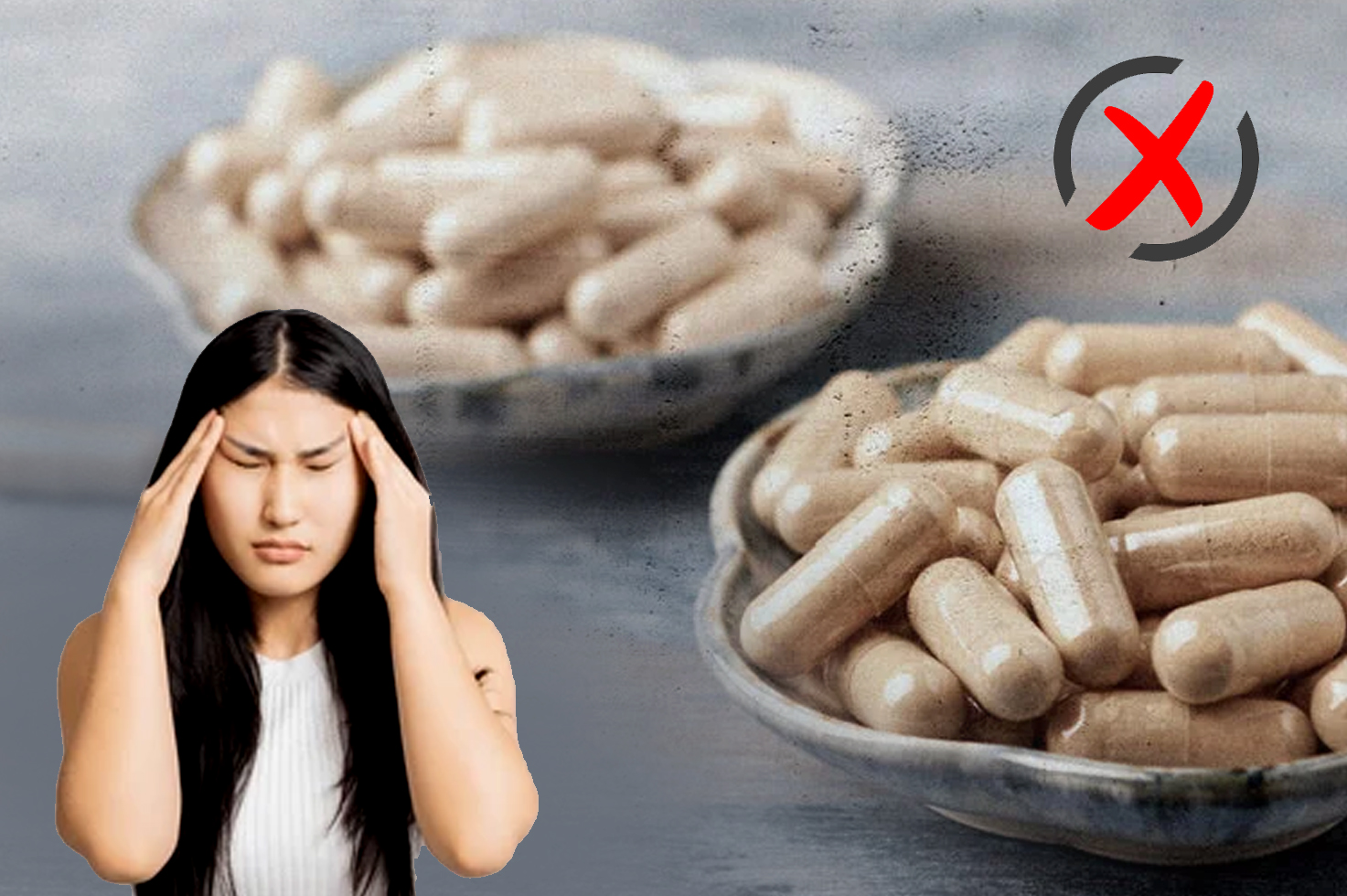
Although ashwagandha is usually seen to be safe for women, some negative effects are possible, particularly when taking larger amounts. Headaches, fatigue, and stomach problems are typical adverse effects. Knowing these possible side effects is crucial, particularly if you are taking additional medications or have underlying medical conditions.
Typical adverse effects:
Digestive Problems: With higher dosages, nausea, vomiting, diarrhea, and upset stomach are possible side effects.
Ashwagandha can make you drowsy, which could help you sleep but could also make it difficult to do things during the day.
Headaches: As a side effect, some people may have headaches.
Additional Possible Impacts:
Skin rash, itching, or trouble breathing are less frequent but nonetheless possible adverse effects, especially for people who are allergic to nightshades.
When to Exercise Caution: Pregnancy and Breastfeeding: Because ashwagandha may have negative effects on the uterus and unborn child, it is not advised for women who are pregnant or nursing.
Autoimmune problems: Because ashwagandha may have an impact on the immune system, people with autoimmune problems should speak with their doctor before taking it.
Thyroid Conditions: People with hyperthyroidism or those taking thyroid medication should avoid ashwagandha as it may alter thyroid hormone levels.
Liver Issues: Rare occurrences of liver damage have been reported, so it's critical to be mindful of this possible danger.
Blood Sugar Control: Ashwagandha may interact with diabetic drugs and reduce blood sugar levels.
Blood Pressure: Ashwagandha may reduce blood pressure and may have an adverse effect on high blood pressure drugs.