






















Hives Disease, also known as urticaria
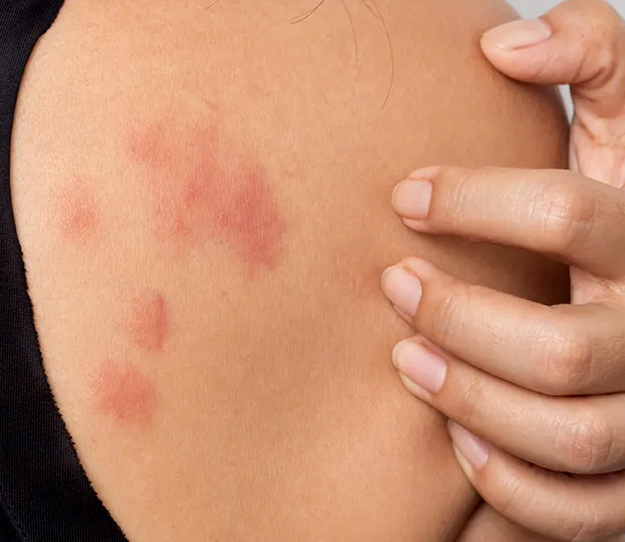
Hives, medically referred to as urticaria, are elevated, itchy patches on the skin that can range in size from a pinhead to a dinner plate. They are frequently caused by allergic reactions or various irritants.
What are hives?
Hives are a frequent skin response marked by elevated, itchy welts or bumps on the surface of the skin.
Here's a more detailed explanation:
Jump to any section below:
What causes hives
Hives, medically referred to as urticaria, are characterized by itchy, elevated welts on the skin resulting from the release of histamine and other chemicals. These reactions are often triggered by allergens, infections, or physical factors such as temperature changes or pressure. Below is a comprehensive overview of the various causes of hives:
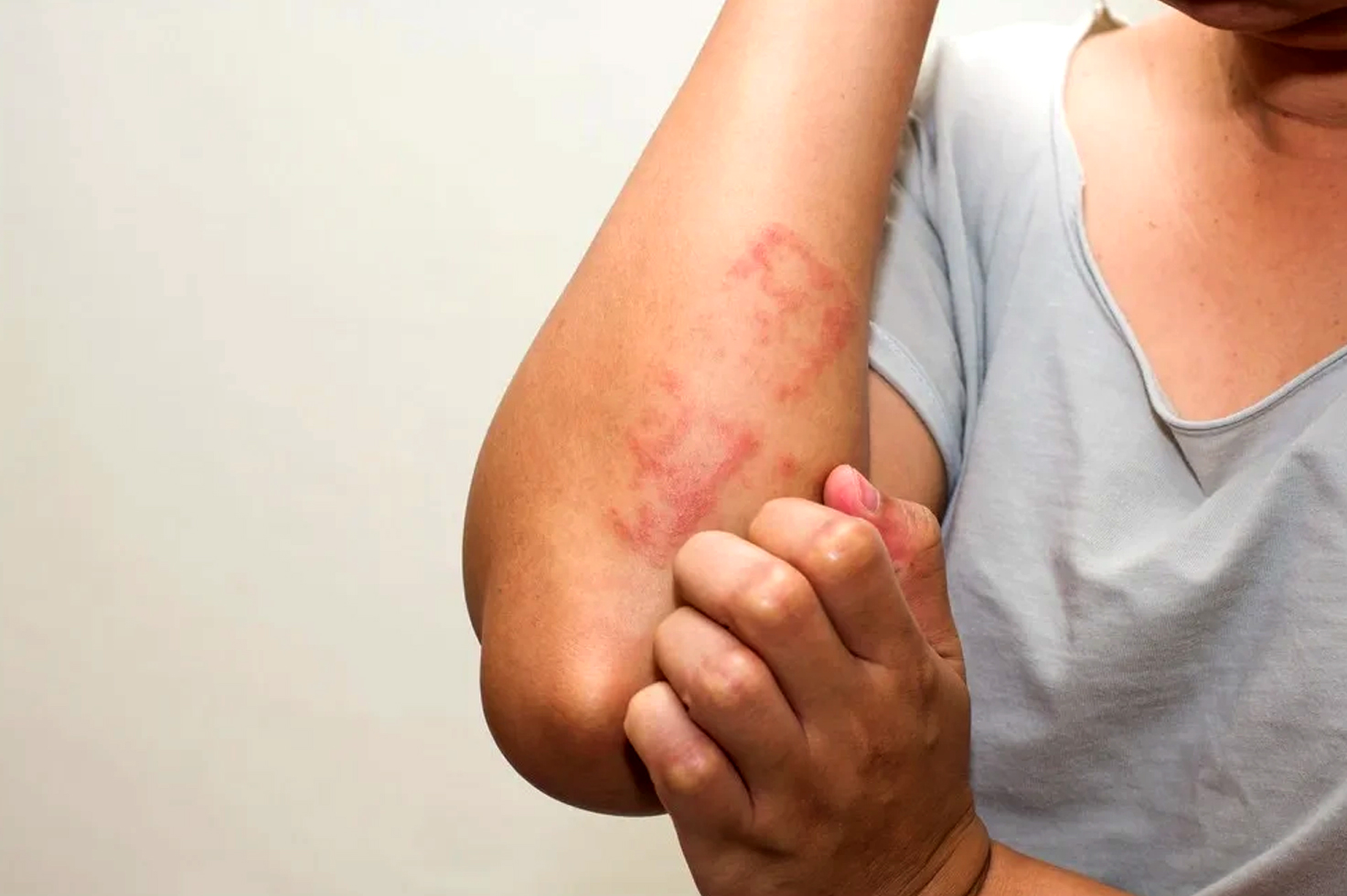
1. Allergic Reactions:
- Food: Certain foods, including peanuts, shellfish, eggs, and nuts, may provoke hives in susceptible individuals.
- Medications: Some drugs, particularly antibiotics like penicillin, as well as aspirin and ibuprofen, can induce hives.
- Insect Bites/Stings: Reactions to bites or stings from insects can result in hives.
- Latex: Allergies to latex can also lead to the development of hives.
- Pollen/Environmental Allergens: Contact with pollen, pet dander, or other environmental allergens can trigger hives.
Infections:
Viral infections : such as the common cold and strep throat may lead to the development of hives.
Bacterial infections: including urinary tract infections and strep throat, can also result in hives. Additionally, infections related to COVID-19 may cause hives.
Other factors include emotional stress , which can provoke hives in certain individuals, as well as physical stimuli like heat, cold, sunlight, pressure, or vibration. Furthermore, vigorous exercise or excessive sweating may trigger hives in some people. Lastly, specific underlying medical conditions, including thyroid disorders and autoimmune diseases, may be linked to the occurrence of hives.
What are the symptoms of hives?
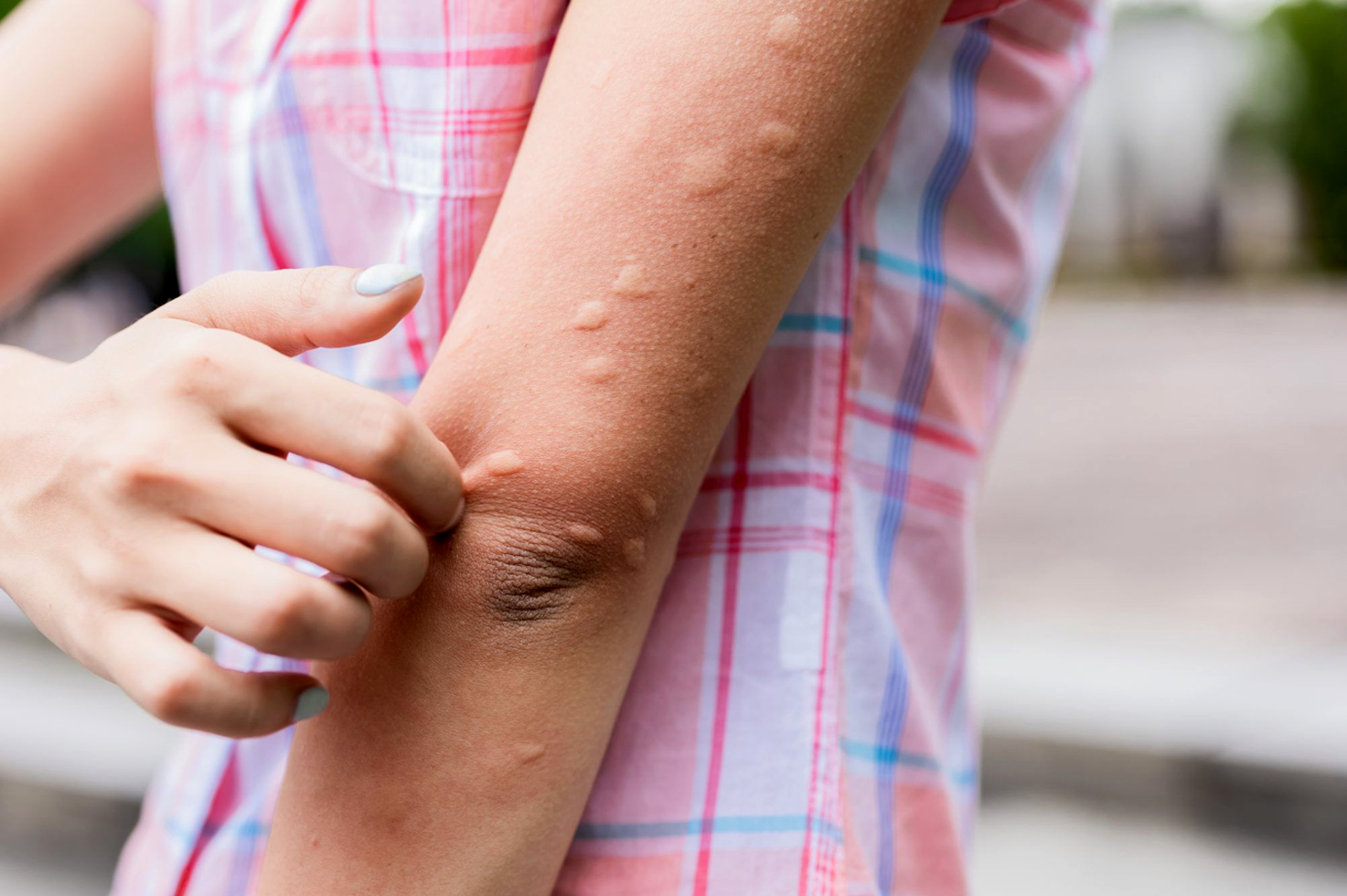
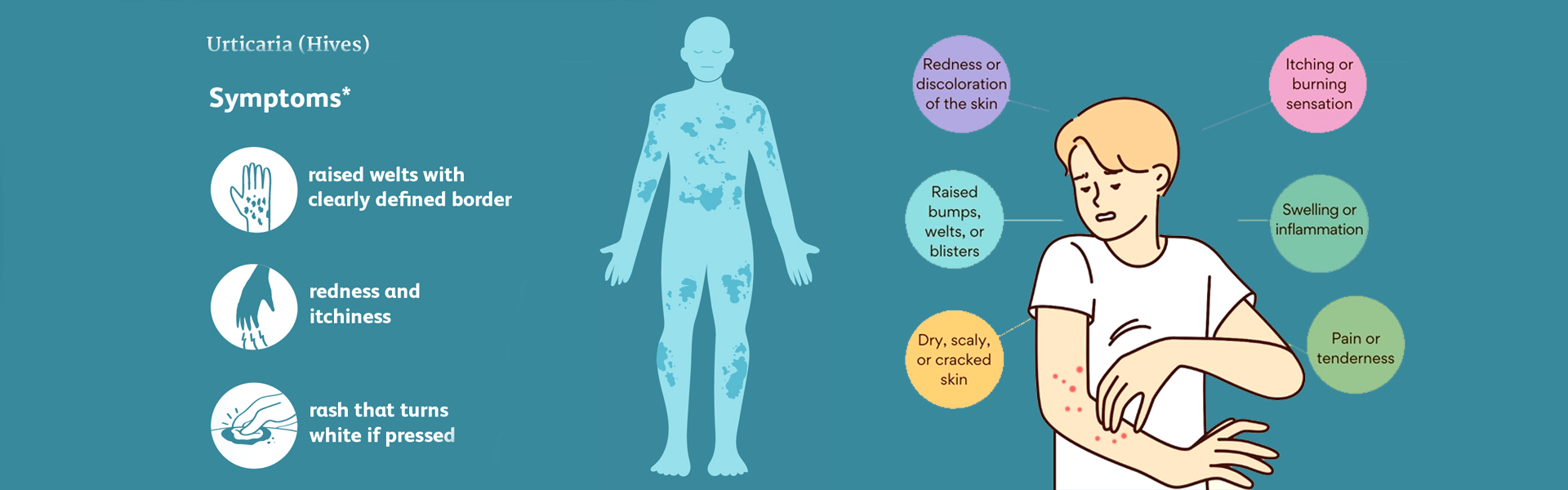
Hives are marked by raised, itchy welts (wheals) on the skin that can show up anywhere on the body. These welts can differ in size and shape, often appearing and disappearing rapidly, sometimes within just minutes or hours. Their color can range from red to purple or match the individual's skin tone. Hives may also come with itching and, in some instances, swelling.
The main symptoms of hives include:
Raised, itchy welts:
These are the defining feature of hives, showing up as red or skin-toned bumps on the skin.
Itching:
Hives frequently cause intense itching, which can be quite severe.
Swelling:
Sometimes, hives can lead to swelling, which may be localized or more widespread.
Variability in size and shape:
Hives can change in size and shape, appearing and disappearing in a matter of minutes or hours.
Dermatographism:
This specific type of hives occurs when pressure on the skin, like scratching, triggers hives in that area, according to Penn Medicine.
How long do hives last?
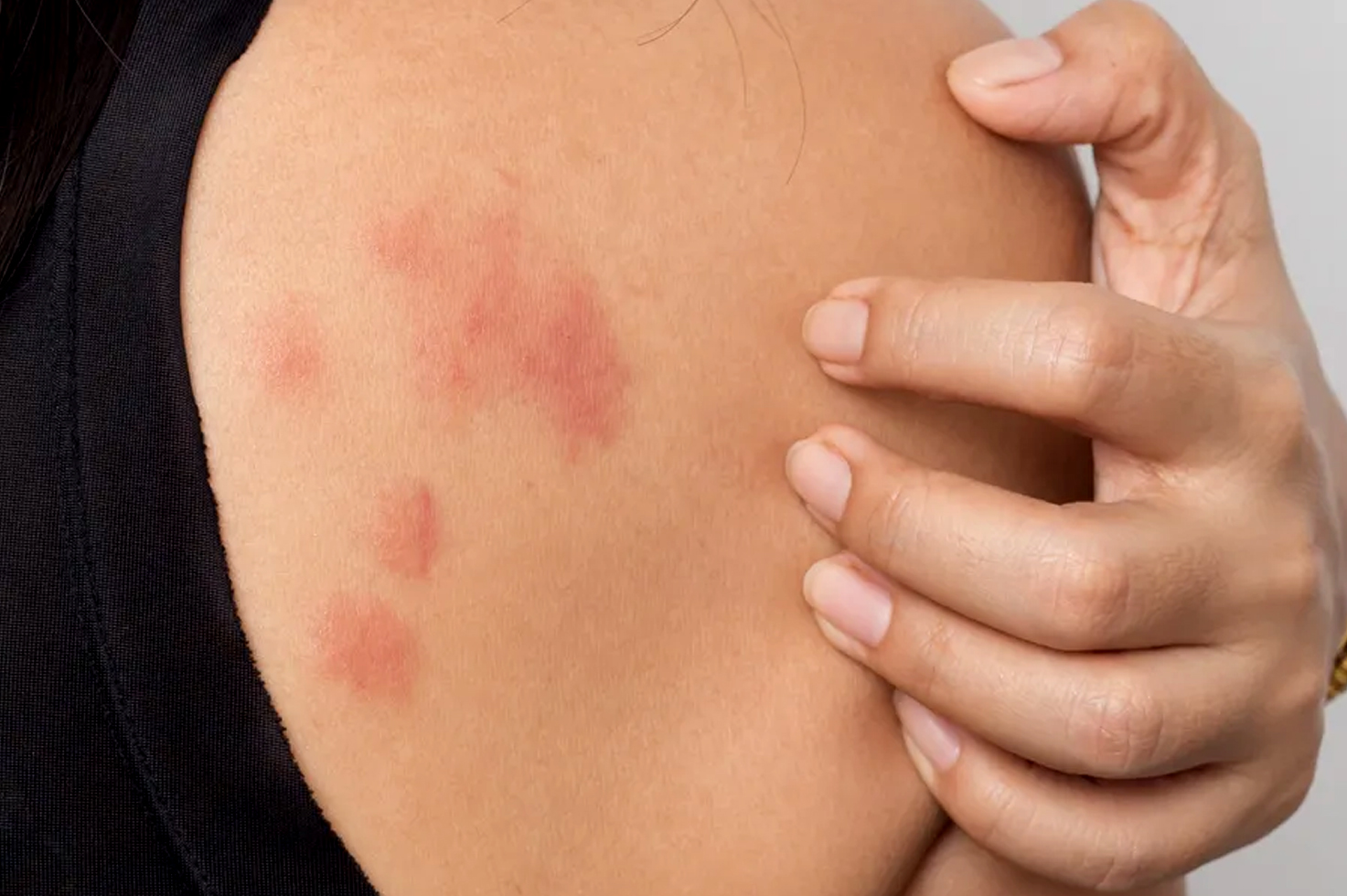
Hives can persist anywhere from a few hours to several weeks, and in some instances, even longer. Typically, individual hives fade away within 24 hours, but new ones may emerge as the reaction progresses. Hives that last less than six weeks are termed acute, while those that extend beyond this period are known as chronic.
Acute Hives:
Duration: Generally resolve within a few days to a few weeks. Cause: Often triggered by specific allergens such as food, medications, or insect stings.
Chronic Hives:
Duration: Can last for over six weeks, sometimes extending for months or even years. Cause: The cause can be harder to identify and may be linked to underlying health issues.
When to Seek Medical Help:
Severe Hives:
If hives lead to breathing difficulties, swelling in the face or throat, or other serious symptoms, it’s crucial to seek immediate medical help.
Hives Lasting More Than a Few Days:
If hives continue for more than a few days, it’s wise to consult a healthcare provider, especially if they are causing significant discomfort or distress.
Chronic Hives:
For hives persisting beyond six weeks, it’s important to see a doctor to identify the cause and manage the condition, as recommended by the Mayo Clinic.
When to seek medical attention for hives?
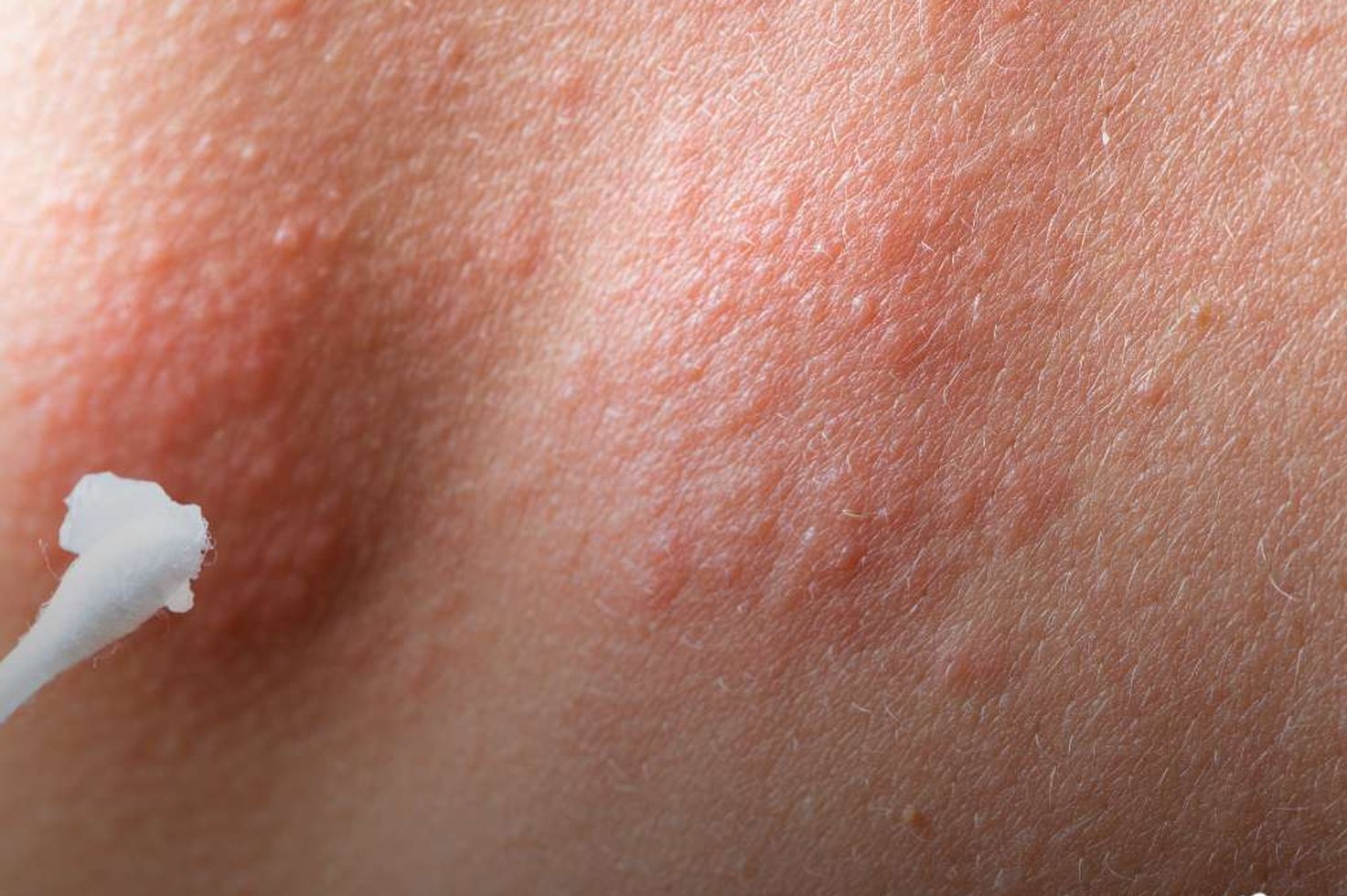
If you have difficulty breathing, swelling in the throat, or symptoms of a severe allergic response, such as anaphylaxis, you should get medical help immediately. Otherwise, if hives persist for more than a week, repeat often, or exhibit symptoms of infection, such as pus-filled pimples, see a doctor.
When to get medical help immediately:
Having difficulty breathing, Shortness of breath, wheezing, or a choking sensation, Swelling of the tongue, lips, or throat is known as throat swelling.
Anaphylaxis symptoms include feeling lightheaded, fainting, or a decrease in blood pressure.
Severe itching or pain: If there is severe abdominal pain along with the itching.
When to seek medical advice:
More than a week-long hives:
Frequent hives: Itchy hives that return often, Hives that appear infected include red, puffy, or pus-filled pimples.
Treatment-unresponsive hives: if antihistamines sold over-the-counter don't help.
Concerned about the hives on your child A high temperature combined with hives:
How are hives treated?
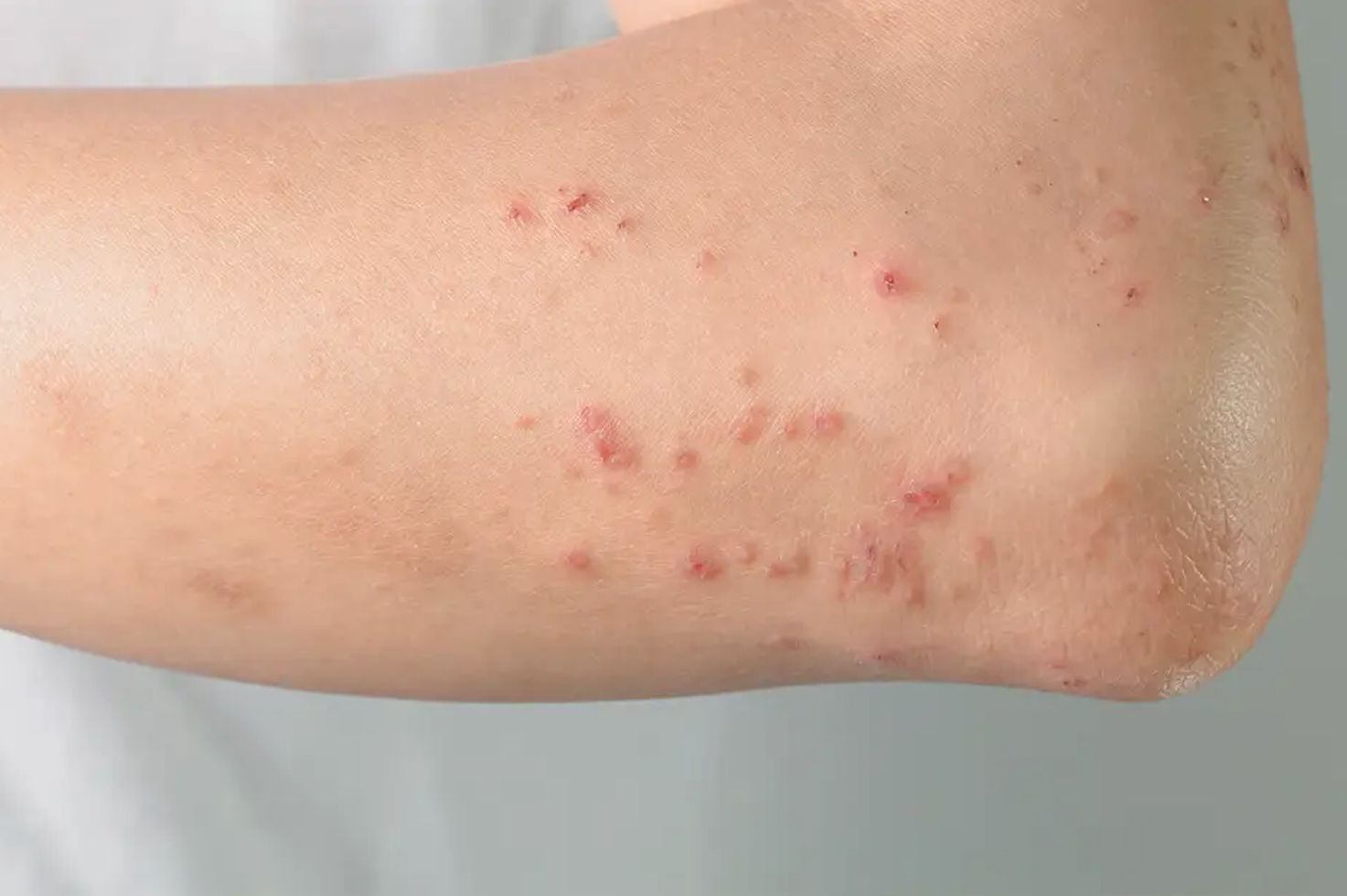
In order to alleviate itching and minimize allergic reactions, hives are usually managed by recognizing and avoiding triggers as well as by using drugs like antihistamines. Home treatments like oatmeal baths and cold compresses can offer short-term respite for moderate instances. Injections of epinephrine (adrenaline) may be required in extreme situations.
A more detailed overview of available treatments is provided below:
1. Recognizing and Steering Clear of Triggers: If you can determine what triggers your hives (such as particular foods, drugs, or environmental elements), you can steer clear of them to help stop outbreaks in the future.
To keep note of your symptoms and their triggers, keep a journal.
2. Drugs:
Antihistamines: These drugs lessen stinging and swelling by preventing the body's production of histamine, a substance produced during allergic responses.
For minor hives, over-the-counter antihistamines such as Benadryl or Cetirizine are frequently helpful.
In more severe situations, prescription antihistamines can be required.
Corticosteroids: To lessen inflammation and irritation, doctors may occasionally prescribe oral or topical corticosteroid drugs, such as prednisone. In severe situations, epinephrine (adrenaline) injections, such as those available in EpiPens, may be required to reverse the allergic reaction, particularly if hives are followed by breathing difficulties or swelling of the lips or throat.
3. Home Treatments:
Cold Compresses: You can assist numb the skin and lessen irritation and swelling by applying a cold compress to the affected region.
Oatmeal Baths: Using colloidal oatmeal in a lukewarm bath will help calm and lessen skin irritation.
Anti-itch creams and lotions: Items with calamine or menthol may offer momentary itching relief.
Cotton clothing that is loose: Wearing soft, loose clothing can help stop irritation from getting worse.
Steer clear of scratching: Scratching aggravates hives and increases skin sensitivity.
4. Additional Therapies:
Omalizumab allergy shots: Monthly injections of omalizumab can help prevent the body from producing immunoglobulin E (IgE), a kind of antibody implicated in allergic reactions, in cases of chronic hives.
Hydroxychloroquine: This antimalarial medication has demonstrated potential in the management of persistent hives, particularly those brought on by autoimmune diseases.
Cyclosporine: Although it can effectively treat severe persistent hives, this immunosuppressant has considerable side effects.
5. When to Seek Medical Attention: Get medical help right away if your hives are severe, widespread, or accompanied by dizziness, mouth or throat swelling, or trouble breathing. See a doctor or allergist if using over-the-counter drugs or home treatments doesn't help your hives. Consult a physician for a diagnosis and treatment if you have chronic hives, which are hives that persist for longer than six weeks.
Diseases that cause hives in adults
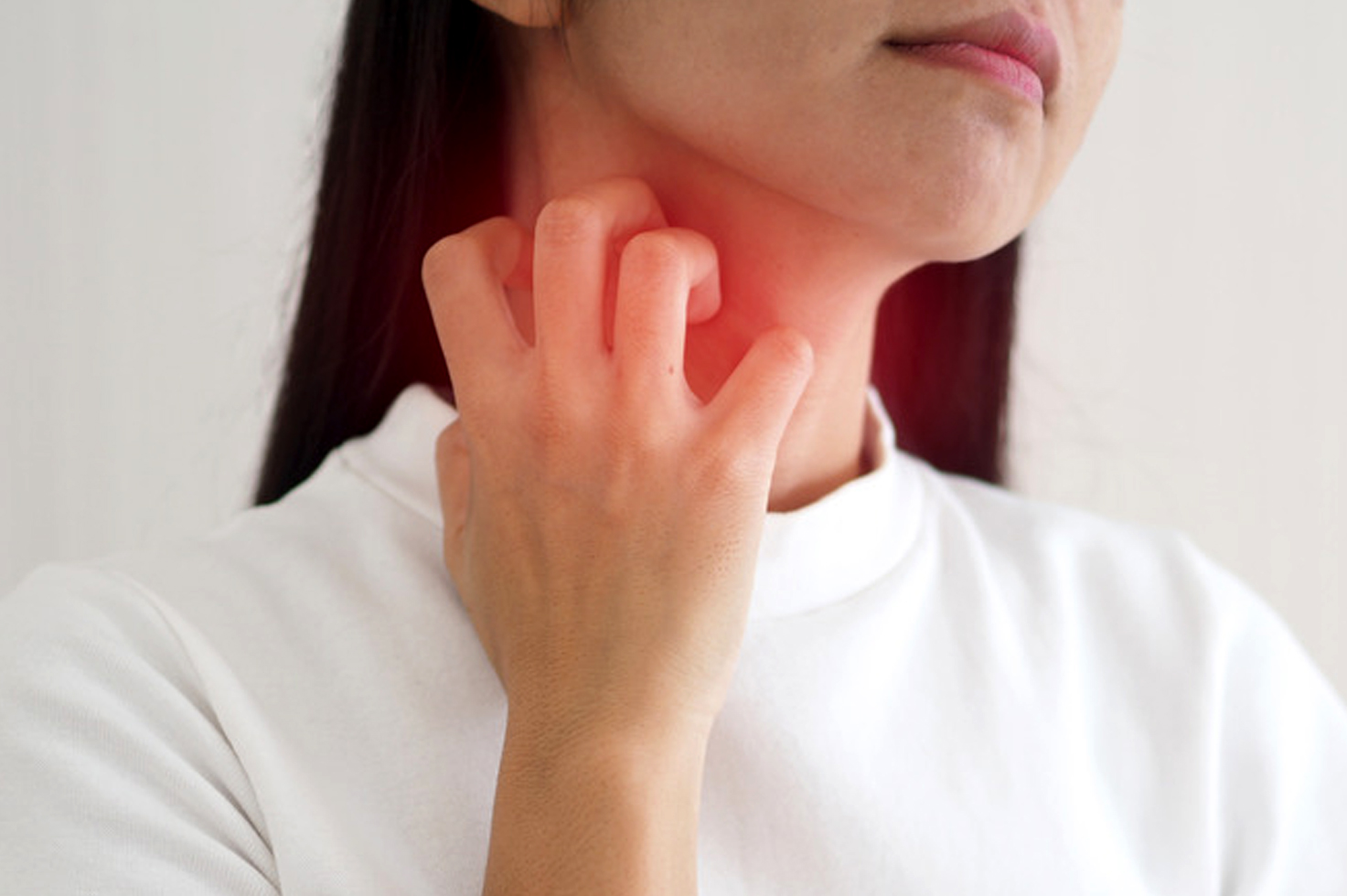
Several underlying illnesses, such as infections, autoimmune diseases, and even some types of cancer, can manifest as hives. Lupus, celiac disease, rheumatoid arthritis, thyroid disease, and some infections like hepatitis B or mononucleosis are among the illnesses frequently associated with hives.
Conditions linked to hives:
Autoimmune conditions:
Hives are one of the many symptoms of systemic lupus erythematosus, or lupus.
Hives are another symptom of celiac disease, an autoimmune condition brought on by gluten.
Hives may be a symptom of rheumatoid arthritis, an inflammatory condition that causes joint inflammation.
Thyroid disease: Hives can occasionally accompany autoimmune thyroid conditions such as Hashimoto's thyroiditis and Graves' disease.
Hives are one symptom of Sjögren's syndrome, an autoimmune condition that affects the saliva and tear glands.
Hives are another symptom of type 1 diabetes, an autoimmune condition.
Infections:
Mononucleosis: Hives may result from this viral infection.
Hepatitis B: Hives can occasionally be brought on by viral hepatitis.
Additional bacterial and viral infections: Hives can be caused by a number of ailments, such as urinary tract infections, strep throat, the flu, and the common cold.
Additional circumstances:
Urticarial vasculitis: This illness can lead to hives and is characterized by inflammation of the blood vessels.
Cancer: Hives may be linked to several types of cancer, especially those that affect the lungs or digestive tract.
The term "chronic idiopathic hives" refers to hives that frequently develop without a discernible reason.
Causes of hives in female adults
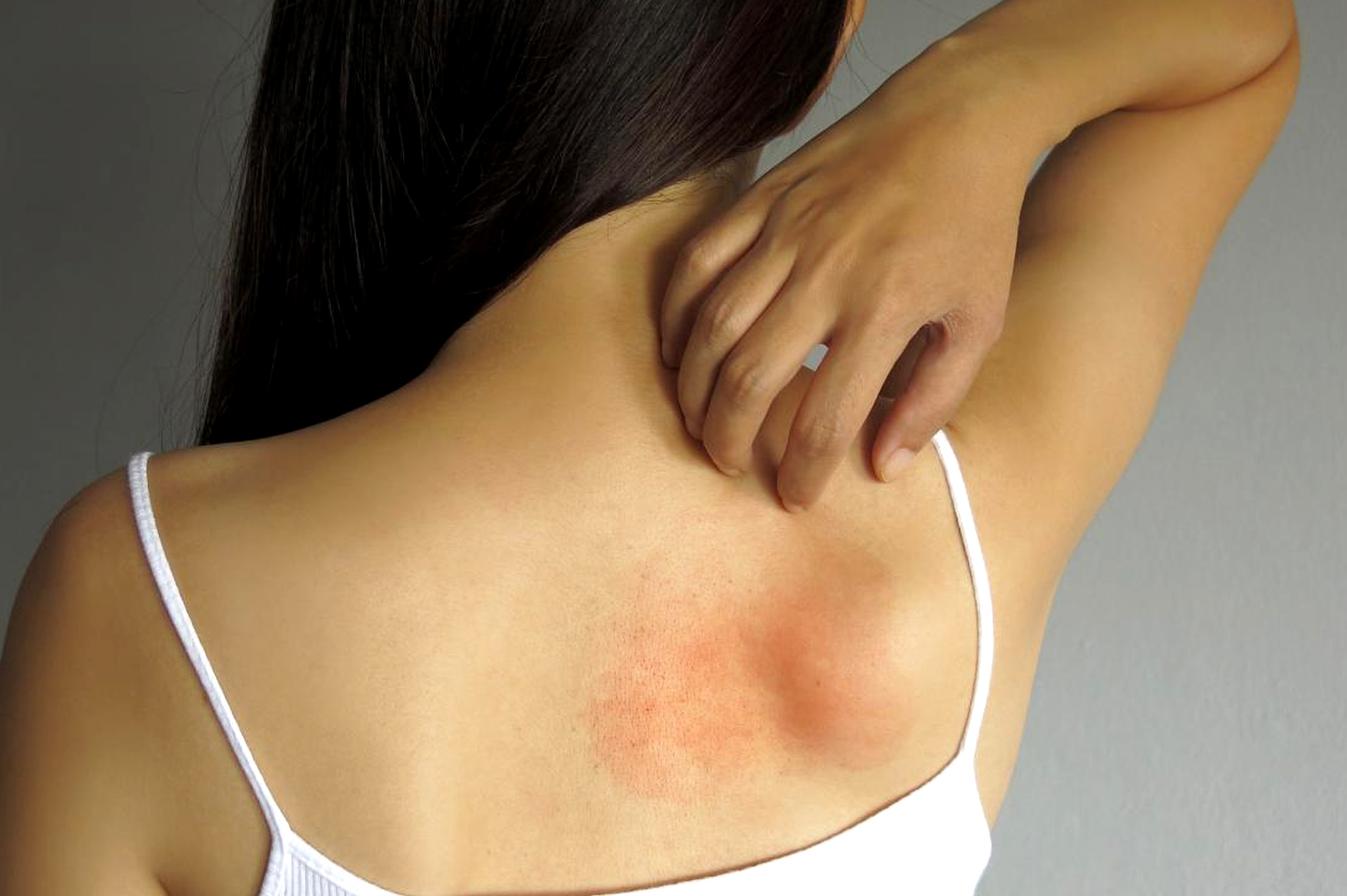
A variety of factors such as allergies, infections, drugs, stress, and physical stimulation like pressure, heat, or cold, can result in hives in adult females. Numerous triggers might be found, even though the precise cause is frequently unknown, particularly in cases with persistent hives.
Potential reasons why adult females have hives:
Allergies: Responses to environmental allergens such as pollen or pet dander, food, drugs, or insect stings.
illnesses: Hives may be brought on by bacterial, viral, or parasitic illnesses.
Medication: A number of medications, such as NSAIDs, aspirin, and antibiotics, can result in hives.
Stress: Hives may also appear as a result of physical or emotional stress.
Physical stimuli: Hives may be brought on by exposure to pressure, vibration, heat, cold, or sunlight.
Autoimmune disorders: Rheumatoid arthritis and lupus are two autoimmune diseases that can occasionally be linked to persistent hives.
Unknown cause: The etiology of hives is frequently unknown, especially in those who have persistent hives.
Hormonal fluctuations: Some women may develop hives as a result of changes in their hormone levels, especially during menstruation or pregnancy.
Sweating excessively: For some people, sweating can cause hives, particularly in hot weather or while exercising.
When to need medical help:
if the hives last longer than two weeks.
if breathing problems, facial or throat swelling, or other symptoms of an allergic response are present together with hives.
if hives hurt or are really irritating.
if the reason behind your hives worries you.
Can hives be a sign of something serious
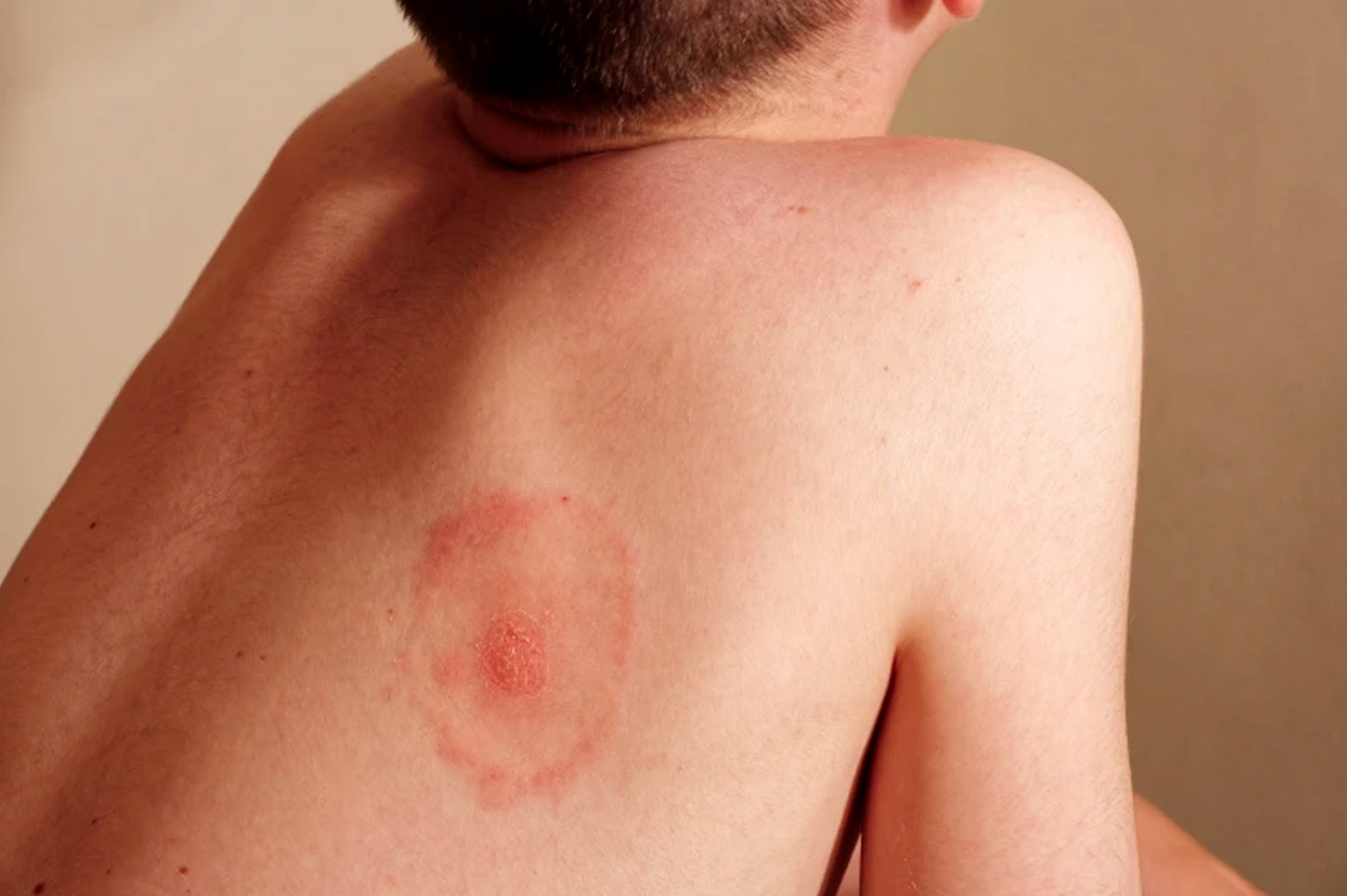
Whereas urticaria, or hives, are usually benign and go away quickly, they can occasionally indicate a more serious condition, particularly if they are accompanied by other symptoms. Thyroid disease, autoimmune disorders, and, in rare cases, cancer are among the underlying medical issues that might be linked to chronic hives that last for more than six weeks.
Serious Concerns:
Severe Allergic Reactions (Anaphylaxis): Anaphylaxis, a potentially fatal allergic reaction, can cause hives. Get medical help right away if you have hives along with breathing problems, wheezing, facial or throat swelling, or other symptoms of anaphylaxis.
Underlying Medical Conditions: Thyroid issues, autoimmune diseases (such as lupus and rheumatoid arthritis), and in rare instances, various forms of cancer, can all be connected to chronic hives.
Inducible Hives: Certain hives are brought on by particular stimuli, such as sunlight, cold, or exercise. Persistent inducible hives are usually not dangerous, but they may indicate an underlying issue that requires further research.
Angioedema: This kind of swelling, which can be a severe side effect of hives, needs to be treated by a doctor, particularly if it affects the airway or throat.
When to Seek Medical Help: More than a week-long hives.
pimples that appear infected (red, swollen, pus-filled).
Hives that recur (occurring every few months).
Sleep is being disrupted by intense itching.
symptoms of anaphylaxis, such as wheezing or trouble breathing.
enlarged face or lips.
Hives with additional symptoms, such as weight loss, enlarged lymph nodes, or fever.
Hives treatment
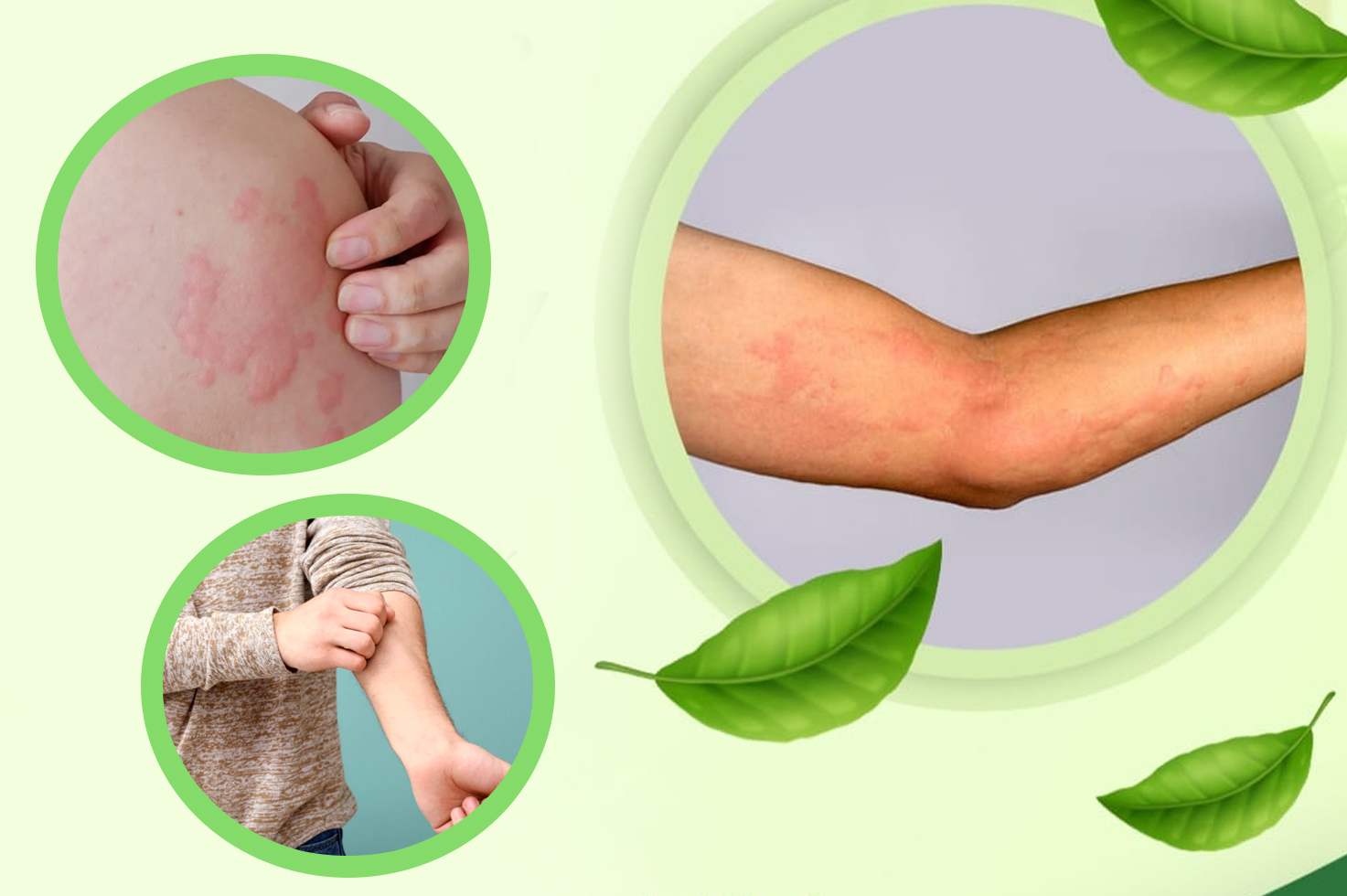
Urticaria, another name for hives, is characterized by elevated, itchy skin welts. Antihistamines, which can be purchased over-the-counter or with a prescription, are typically used to treat hives. Over-the-counter antihistamines such as cetirizine (Zyrtec), fexofenadine (Allegra), loratadine (Claritin), and levocetirizine (Xyzal) can be useful for mild instances. Stronger antihistamines or other drugs, such montelukast (Singulair), doxepin (Silenor, Zonalon), ranitidine, or omalizumab (Xolair), may be prescribed by your doctor for more severe or persistent cases. Avoiding recognized triggers, using cold compresses, and taking cold showers or baths can also help reduce symptoms.
Options regarding Treatment:
Antihistamines: These drugs prevent histamine, a substance the body releases during allergic reactions, from having its effects. Both sedative and non-drowsy varieties are available.
Topical Corticosteroids: To lessen inflammation and itching, a doctor may occasionally recommend a topical corticosteroid cream, such as hydrocortisone.
Oral Corticosteroids: To lessen swelling and inflammation in cases with severe hives, a brief course of oral corticosteroids, such as prednisone, may be recommended.
Immune Modulators: Immune-modulating drugs may be taken into consideration in chronic situations where antihistamines are ineffective.
Other Drugs: Other drugs, including ranitidine (an H2 receptor antagonist) or montelukast (a leukotriene antagonist), may be recommended according on the underlying reason.
Home Treatments:
Cold Compresses: To help calm the skin and lessen itching, apply a cold compress or take a cold bath or shower.
Oatmeal Baths: These baths can help reduce inflammation and itching.
Aloe vera applied topically: Aloe vera may help calm and lessen hives.
Coconut Oil: Coconut oil has anti-itching and anti-moisturizing properties.
Diluted Tea Tree Oil: This oil may have anti-itch and anti-inflammatory qualities.
Avoid Irritants: Steer clear of well-known triggers, like perfumes, particular foods, and animal dander.
clothes that fits loosely: Wearing clothes that fits loosely can help stop irritation from getting worse.
Hives causes
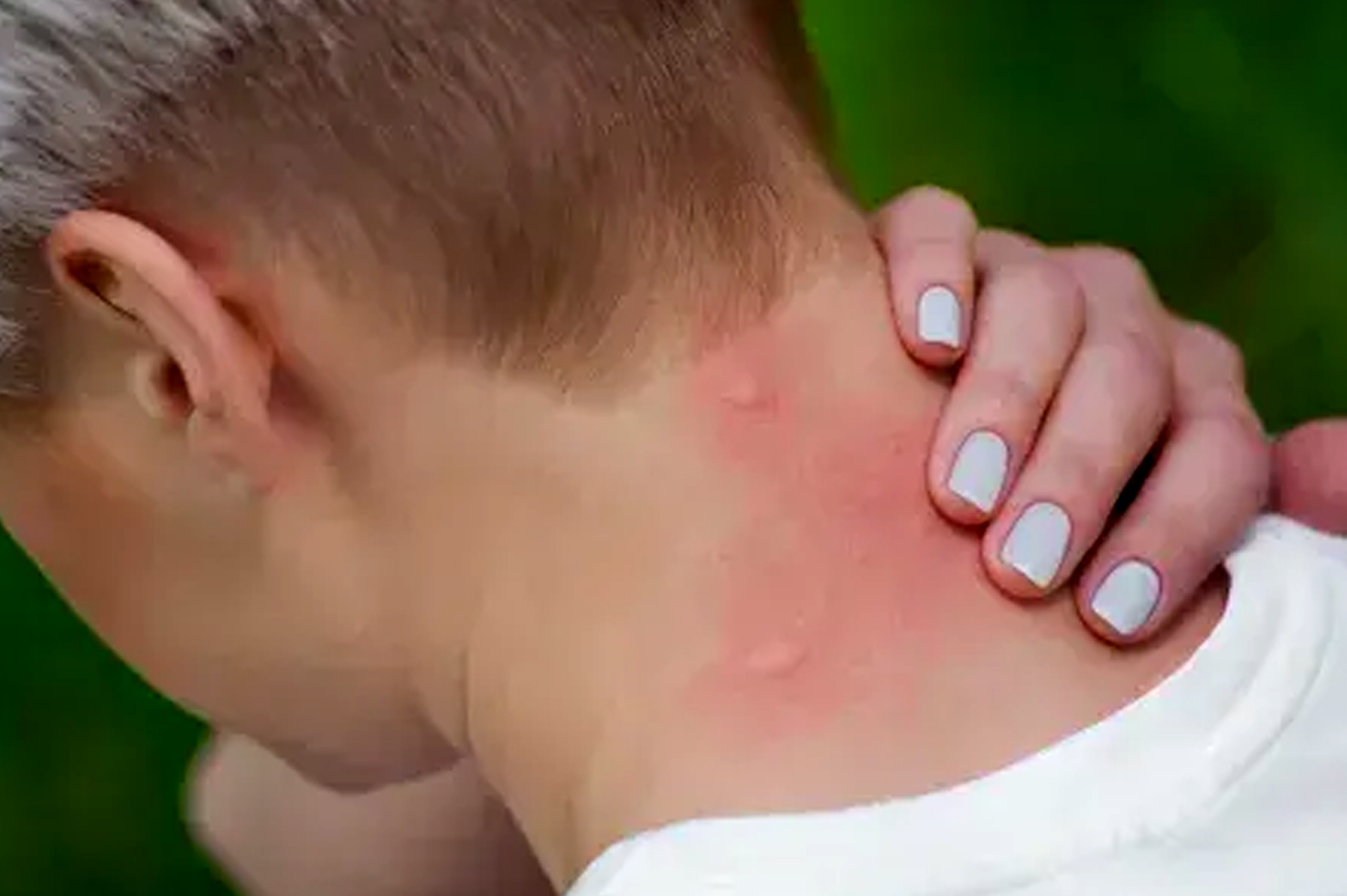
Urticaria, another name for hives, is frequently brought on by allergic responses to foods, drugs, insect stings, or other substances. Infections, stress, physical stimulation like pressure or heat, and some underlying medical disorders can also result in hives. Sometimes it's difficult to pinpoint the precise source of hives.
Allergic Responses:
Foods: Nuts, eggs, milk, soy, and shellfish are common dietary allergies.
Medication: Aspirin, ibuprofen, and antibiotics (like penicillin) are among the drugs that can cause hives.
Insect Bites and Stings: Hives may result from reactions to insect stings or bites, such as those from bees, wasps, or mosquitoes.
Other Allergens: Hives can also be brought on by latex, pollen, cat dander, and blood transfusions.
Additional Reasons:
diseases: Hives can occasionally be brought on by bacterial or viral diseases, such as strep throat, the common cold, and urinary tract infections.
Stress: The immune system can be weakened by stress, which may lead to the release of substances that cause hives.
Physical Stimuli: For certain people, exposure to heat, cold, pressure, sunlight, or even vibration might cause hives.
Underlying Medical Conditions: Thyroid disorders, infections, cancer, and autoimmune diseases like lupus can occasionally be linked to chronic hives.
Unknown Causes: The precise reason is frequently unknown, especially in the case of chronic hives.
How to cure hives fast
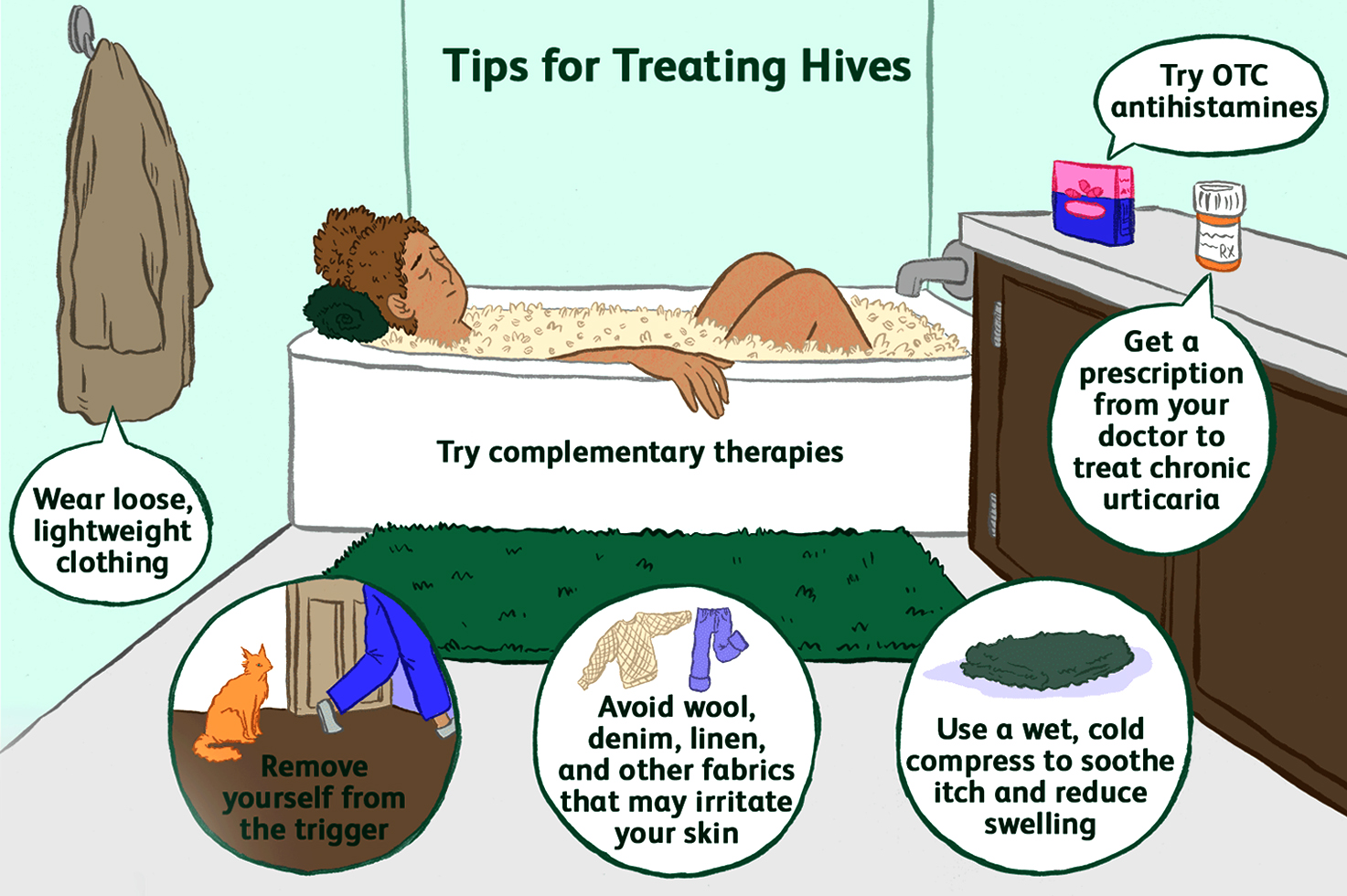
Try using a cold compress, a cool bath or shower, and over-the-counter antihistamines or anti-itch lotions to get rid of hives fast. Consider wearing loose, cotton clothing and refrain from scratching the afflicted areas. See a doctor for prescription medicine or additional testing if the hives are severe or ongoing.
Here is a more thorough explanation of hive management:
1. Instant Comfort: Cold compresses An ice pack wrapped in a towel or a clean cloth soaked in cold water can be applied to the affected area to help numb the skin and minimize swelling, which will relieve itching right away.
chilly Showers or Baths: Having a chilly shower or bath can also help to calm the skin and lessen irritation.
Oatmeal Baths: Colloidal oatmeal baths can help calm the skin and offer anti-inflammatory qualities.
2. over-the-counter drugs:
Antihistamines: The molecule that causes hives, histamine, can be inhibited by oral antihistamines such as loratadine, cetirizine, or diphenhydramine. If you intend to work or drive, pick an antihistamine that doesn't make you sleepy.
Topical Anti-Itch Creams: Creams with pramoxine or hydrocortisone can help reduce inflammation and irritation.
3. Additional Advice:
Steer clear of irritants: Determine and stay away from any potential triggers for the hives, such as particular foods, drugs, or environmental elements.
Loose, Breathable Cotton Clothes: To reduce skin irritation, wear loose, breathable cotton clothing.
Remain Cool: Reducing hives can be achieved by keeping your body temperature low.
Refrain from scratching as this might exacerbate hives and raise the risk of infection.
4. When to Consult a Physician:
Severe Hives:Get medical help right away if your hives are severe, broad, or followed by other symptoms including tightness in your throat, trouble breathing, or swelling of your lips or tongue. These could be indicators of anaphylaxis.
Persistent Hives: See a doctor to identify the reason and get the right treatment if your hives persist for more than a few days or keep coming back.
Chronic Hives: You may have chronic hives if they last more than six weeks. In this case, you should see a doctor and get treated.
Crucial Points to Remember: Allergies: An allergic reaction may manifest as hives. Consult a physician for testing and diagnosis if you think you may have an allergy.
Underlying Conditions: Hives may occasionally indicate an underlying medical issue. If this is the case, a physician can help identify it and suggest the best course of action.