
























Irritable bowel syndrome
Irritable Bowel Syndrome (IBS) is a common functional gastrointestinal disorder characterized by abdominal pain and changes in bowel habits, like diarrhea or constipation, without any visible signs of damage or disease in the digestive tract.
An intestinal disorder causing pain in the stomach, diarrhea, constipation, and change in the appearance of stool.
Irritable bowel syndrome (IBS) causes uncomfortable abdominal symptoms, including constipation, diarrhea, gas and bloating.
The most common symptoms of irritable bowel syndrome (IBS) are pain in your abdomen, often related to your bowel movements, and changes in your bowel movements.
Jump to any section below:
Irritable bowel syndrome symptoms
Irritable Bowel Syndrome (IBS) is a prevalent disorder marked by abdominal pain or discomfort, bloating, and alterations in bowel habits, which may include diarrhea, constipation, or a combination of both, typically occurring without any observable harm to the digestive system.
Here is a comprehensive overview of the symptoms associated with Irritable Bowel Syndrome (IBS):
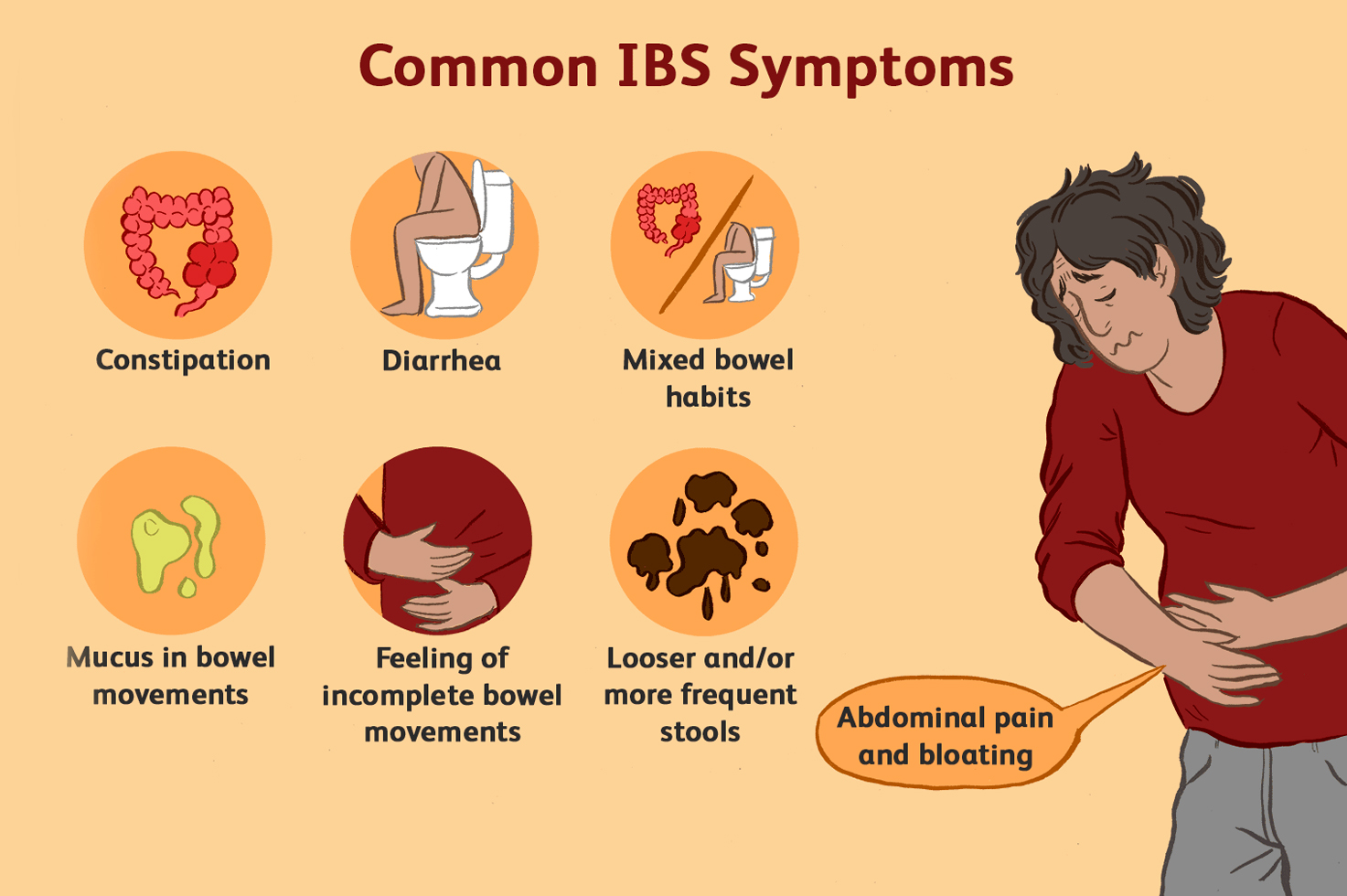
Abdominal Pain and Cramping:
This symptom is a defining characteristic of IBS, often described as sharp, cramping, or accompanied by bloating.
Changes in Bowel Habits:
Diarrhea: Characterized by frequent, loose, or watery stools.
Constipation: Involves hard, lumpy stools or difficulty in passing stools.
Alternating Diarrhea and Constipation: Some individuals may experience a combination of both, with episodes of diarrhea followed by constipation.
Bloating and Gas:
Patients may experience a sensation of fullness or swelling in the abdomen, along with excessive gas.
Additional Symptoms:
Urgency: A sudden and intense need to have a bowel movement.
Feeling of Incomplete Evacuation: A sensation that the bowel movement was not fully completed.
Mucus in Stool: Some individuals may observe mucus present in their stool.
Nausea and Vomiting: In certain cases, IBS may be accompanied by feelings of nausea or episodes of vomiting.
Lethargy: A general feeling of tiredness or lack of energy.
Heartburn: Some individuals with IBS may also experience heartburn.
Backache: Back pain may occur in some patients.
Urinary Issues: Some individuals may face urinary problems, such as frequent urination, sudden urges, or the sensation of not fully emptying the bladder.
Bowel Incontinence: Certain individuals may struggle with bowel incontinence, leading to a lack of control over bowel movements.
What causes irritable bowel syndrome
The precise origin of Irritable Bowel Syndrome (IBS) remains unclear; however, it is likely influenced by a variety of factors, such as issues in gut-brain communication, changes in gut motility, heightened visceral sensitivity, and possible triggers including stress, infections, and food intolerances.
Here is a more comprehensive overview:
1. Dysfunction of the Gut-Brain Axis:
The connection between the brain and the gut is complex, and disruptions in this communication can result in IBS symptoms. Inadequate coordination of signals between the brain and intestines may cause the body to react excessively to typical digestive functions. Additionally, stress and anxiety can intensify IBS symptoms by impacting the bowel's nerve function.
2. Changes in Gut Motility:
IBS may involve irregularities in the speed at which food travels through the digestive system. Abnormal muscle contractions in the colon can lead to variations in bowel habits.
3. Heightened Visceral Sensitivity:
Individuals with IBS may experience increased sensitivity in the nerves of their digestive tract, which can amplify everyday discomfort. This heightened sensitivity can result in pain and unease even during normal digestive processes.
4. Possible Triggers:
- Infections: IBS may sometimes arise following a severe episode of diarrhea caused by bacterial or viral infections.
- Stress: Stress and anxiety can initiate or aggravate IBS symptoms.
- Food Intolerances: Certain foods, particularly those rich in FODMAPs (fermentable oligosaccharides, disaccharides, monosaccharides, and polyols), may provoke IBS symptoms in some individuals.
- Medications: Certain drugs, such as antibiotics, can disrupt the gut microbiome and potentially exacerbate IBS symptoms.
- Bacterial Overgrowth: An increase in the quantity or alteration in the type of bacteria present in the small intestine (known as small intestinal bacterial overgrowth) has been linked to IBS.
- Psychological Factors: IBS is more prevalent among individuals who have experienced psychological trauma during childhood.
Irritable bowel syndrome foods to avoid
To effectively manage Irritable Bowel Syndrome (IBS), it is advisable to steer clear of foods that are high in FODMAPs, as well as gluten, lactose, caffeine, alcohol, and fried or fatty items. Additionally, gas-producing vegetables and carbonated beverages should be avoided, as they may exacerbate IBS symptoms.
Here is a comprehensive list of foods that individuals with IBS might consider avoiding:
High FODMAP Foods:
Fruits: Apples, pears, mangoes, watermelon, and dried fruits
Vegetables: Artichokes, asparagus, beans, cabbage, cauliflower, garlic, lentils, mushrooms, onions, and sugar snap or snow peas
Dairy: Milk, dairy products, soft cheeses, yogurt, custard, and ice cream
Grains: Products made from wheat and rye
Sweeteners: Honey, high-fructose corn syrup, and sweeteners that end in “–ol” (such as sorbitol, mannitol, xylitol, and maltitol)
Other Potential Triggers:
Gluten: Present in wheat, barley, and rye
Lactose: Found in various dairy products
Caffeine: Commonly found in coffee, tea, and energy drinks
Alcohol, Fried and Fatty Foods,
Gas-Producing Foods: Beans, brussels sprouts, cabbage, and carbonated drinks
Spicy Foods,
Processed Foods,
Artificial Sweeteners,
Large Meals,
Chocolate.
Irritable bowel syndrome treatments
The treatment of Irritable Bowel Syndrome (IBS) primarily aims to alleviate symptoms through dietary adjustments, lifestyle changes, and, when necessary, medication. Below is a comprehensive overview of the treatment options available for IBS:
Dietary Adjustments:
- Identify and eliminate trigger foods: Certain foods may exacerbate IBS symptoms, making it essential to maintain a food diary to pinpoint these triggers.
- Increase fiber consumption: Gradually enhancing fiber intake, particularly soluble fiber, can aid in alleviating constipation.
- Explore a low-FODMAP diet: This dietary approach limits specific carbohydrates that are not well absorbed and may lead to digestive discomfort.
- Opt for smaller, more frequent meals: This strategy can help prevent digestive overload and associated issues.
- Maintain hydration: Consuming adequate water is vital for promoting regular bowel movements.
- Limit caffeine and alcohol: These substances can irritate the intestines and intensify symptoms.
Lifestyle Changes:
- Engage in regular physical activity: Exercise can enhance bowel function and mitigate stress levels.
- Implement stress management techniques: Practices such as yoga, meditation, or deep breathing can help reduce IBS symptoms.
- Ensure sufficient sleep: Adequate rest is crucial for overall well-being, including digestive health.
Medications:
- Laxatives: Over-the-counter or prescription laxatives can be effective for managing constipation.
- Antidiarrheal agents: Medications like loperamide can help slow bowel movements in cases of diarrhea.
- Antispasmodics: These drugs can alleviate abdominal pain and cramping.
- Antidepressants: In certain situations, low-dose antidepressants may help diminish pain and enhance overall IBS symptoms.
- Probiotics: Some individuals experience relief through probiotics, which can support a balanced gut microbiome.
- Antibiotics: In specific cases, antibiotics such as rifaximin may be prescribed to treat bacterial overgrowth.
Psychotherapy:
- Cognitive Behavioral Therapy (CBT): This approach can address psychological factors that may influence IBS.
- Gut-directed hypnotherapy: This method can help reduce anxiety and improve gastrointestinal function.
Irritable bowel syndrome tablets
For individuals suffering from Irritable Bowel Syndrome (IBS), medications such as mebeverine (Colofac), Buscopan (hyoscine butylbromide), and dicyclomine (Bentyl) can alleviate symptoms like cramps and spasms. Additionally, drugs like eluxadoline (Viberzi) and alosetron (Lotronex) specifically address diarrhea.
Here is a more detailed overview of some commonly prescribed IBS medications:
Antispasmodics for Cramps and Spasms:
- Mebeverine (Colofac, Colofac IBS): This antispasmodic medication works by relaxing the muscles in the gut, thereby alleviating cramps and spasms associated with IBS.
- Buscopan (Hyoscine Butylbromide): Buscopan serves as an antispasmodic that effectively relieves stomach cramps, including those related to IBS.
- Dicyclomine (Bentyl): Dicyclomine is another antispasmodic that aids in relaxing the stomach and bowel muscles, which helps to reduce cramping.
Medications for IBS with Diarrhea (IBS-D):
- Eluxadoline (Viberzi): This medication is specifically formulated to treat diarrhea resulting from IBS.
- Alosetron (Lotronex): Alosetron is effective in alleviating cramping, pain, the urgent need for bowel movements, and diarrhea associated with IBS.
- Rifaximin (Xifaxan): Rifaximin is an antibiotic that can help mitigate IBS symptoms, including diarrhea.
Other Medications:
- Linaclotide (Linzess): Linaclotide is prescribed for IBS with constipation (IBS-C) as well as chronic idiopathic constipation (CIC).
- Lubiprostone (Amitiza): Lubiprostone is utilized for treating IBS with constipation (IBS-C).
- Loperamide (Imodium): Loperamide is an over-the-counter antidiarrheal that can assist in managing diarrhea symptoms in certain IBS cases.
Tricyclic Antidepressants:
- Low doses of tricyclic antidepressants, such as imipramine or amitriptyline, may help alleviate pain and enhance mood, which can be advantageous for managing IBS symptoms.
Pregabalin or Gabapentin:
- These medications may provide relief from bloating and severe pain associated with IBS.