


















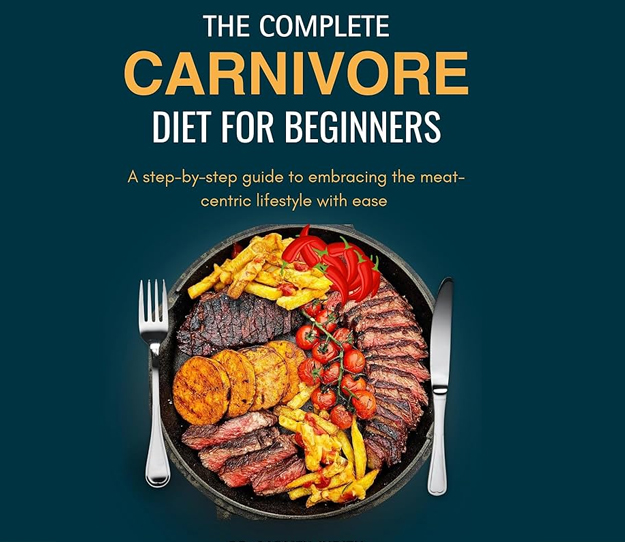




What is the carnivore diet?
Meat, fish, and other animal products including eggs and some dairy items are the only foods allowed on the carnivore diet.
All other foods, such as fruits, vegetables, grains, legumes, nuts, and seeds, are not included.
Additionally, its proponents advise avoiding or consuming only foods low in lactose, a sugar present in milk and dairy products, like butter and hard cheeses.
The controversial idea that high-carb diets are to blame for the high rates of chronic disease that exist today and that human ancestral cultures ate primarily meat and fish is the basis for the carnivore diet.
Other well-known low-carb regimens, such as the paleo and ketogenic diets, restrict but do not completely eliminate carbohydrate consumption. But the goal of the carnivorous diet is to consume no carbohydrates.
Meat, poultry, eggs, shellfish, fish, some dairy products, and water are the only foods permitted on the carnivore diet meal plan. All fruits, vegetables, cereals, legumes, seeds, and nuts must be avoided. It is sometimes called the "zero carb" diet because of this.
One kind of "keto," or ketogenic, diet is the carnivore diet. This is how keto diets operate: There are not enough calories from glucose and other sugars in the ketogenic diet. The body produces ketones as an energy source by burning fat to make up for it. The release of ketones into the bloodstream causes a condition known as ketosis, which decreases the blood's normal acid-base balance and makes it more acidic.
According to a standard ketogenic diet, between 70% and 75% of daily calories should come from fat, 20% from protein, and no more than 10% from carbs.
Because it permits virtually no carbohydrates, a carnivore diet is the most ketogenic diet. The term "fat content" refers to any fat that is present in or ingested with meat, fish, poultry, and dairy products; it is not specifically defined.
Jump to any section below:
What causes hives
How to follow the carnivore diet
In order to follow the diet, you must completely cut out all plant-based meals and consume only meat, fish, eggs, and tiny amounts of low-lactose dairy products.
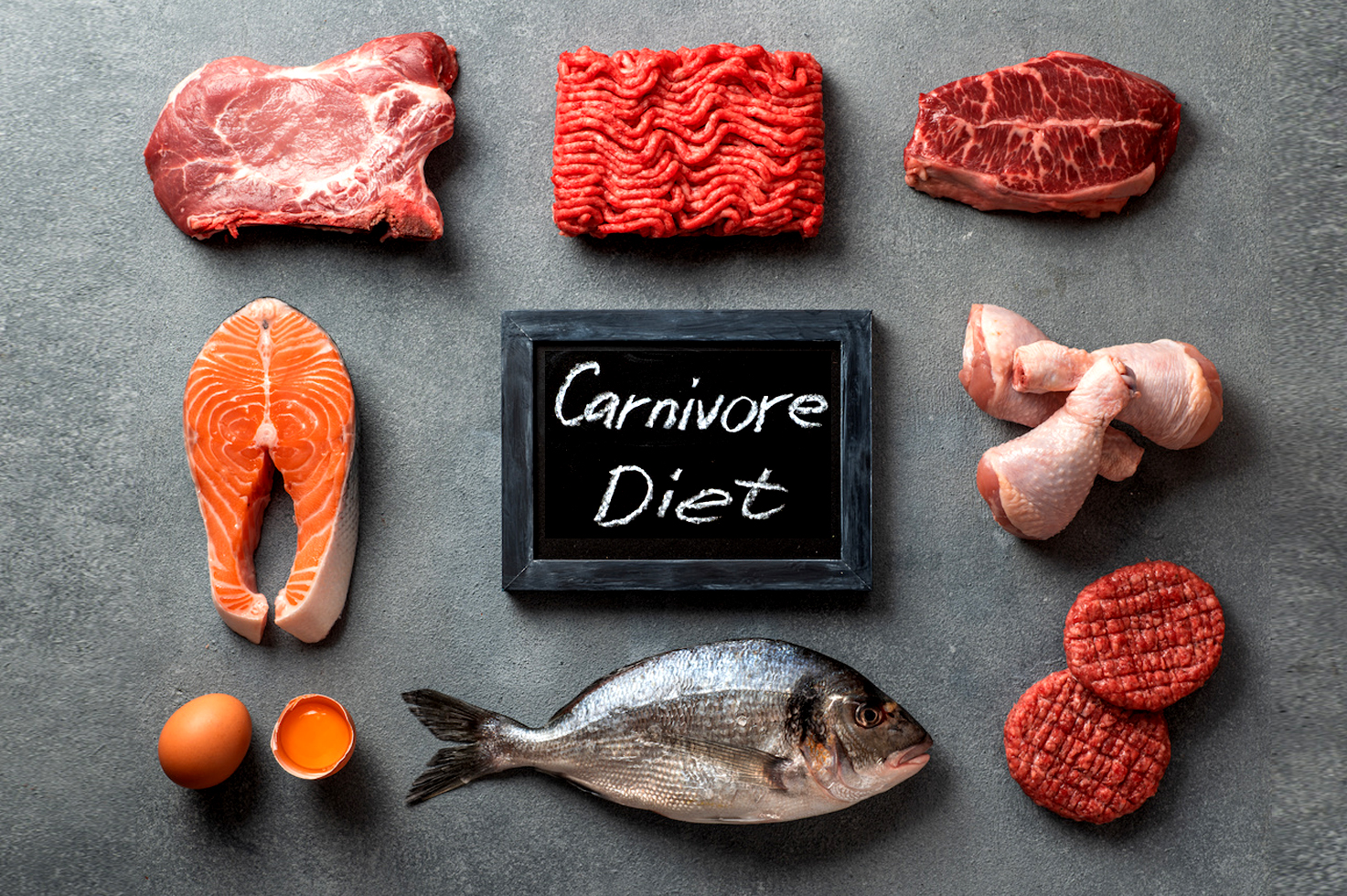
Beef, chicken, hog, lamb, turkey, organ meats, salmon, sardines, white fish, and modest amounts of hard cheese and heavy cream are among the foods to eat. Bone marrow, fat, and butter are also permitted.
Dietary advocates stress the use of organ meats like liver to guarantee the intake of vitamins low in other meat cuts, including vitamin C, and fatty slices of meat to meet daily energy needs.
While tea, coffee, and other plant-based beverages are discouraged in the carnivore diet, water and bone broth are encouraged.
Carnivore diet programs can not include much advice on how many meals or snacks to eat each day, how many calories to consume, or how much to eat in terms of portion sizes. The majority of diet advocates advise eating as frequently as you like.
Carnivore diet foods to eat
All other foods are excluded from the carnivore diet, which only consists of animal products.
In particular, a person following a carnivorous diet can consume:
Meat includes things like beef, chicken, turkey, lamb, and pork.
Organ meats include tripe, heart, brain, kidney, liver, and sweatbread.
Fish include tilapia, herring, crab, lobster, sardines, mackerel, and salmon.
Additional animal products include bone broth, fat, eggs, and bone marrow.
Dairy products that are low in lactose (in modest amounts) include butter, hard cheese, heavy cream, etc.
Water
Some diet advocates claim that condiments that don't include carbohydrates, such salt and pepper, are OK.
Furthermore, some people decide to have milk, yogurt, and soft cheese, but these foods are usually excluded because of their high carbohydrate content.
carnivore diet Foods to avoid
The carnivore diet does not include any meals that are not derived from animals.
Foods that are restricted include:
vegetables, such as peppers, green beans, potatoes, cauliflower, and broccoli.
Fruits: oranges, kiwis, bananas, berries, apples, etc.
dairy products high in lactose, such as yogurt, soft cheese, and milk.
Legumes include lentils, beans, and more.
Nuts and seeds: pistachios, sunflower seeds, pumpkin seeds, almonds, etc.
Grains include pasta, quinoa, rice, wheat, and bread.
Alcohol: wine, liquor, beer, etc.
Sugars include brown sugar, maple syrup, table sugar, and others.
beverages other than water, such as fruit juice, coffee, tea, and soda.
Although some individuals include some of these foods in their diet, they are not allowed on a true carnivore diet.
carnivore diet is it helps to lose weight?
Weight loss is possible with some parts of the carnivorous diet. In particular, some research has demonstrated that diets low in carbohydrates and high in protein can aid in weight loss (Trusted Source).
This is mostly because fat and protein can both make you feel fuller after meals, which may drive you to consume less calories and lose weight as a result. Additionally, protein can raise your metabolic rate, which will enable you to burn more calories.
Consequently, you would probably feel fuller and consume less calories overall if you followed the carnivorous diet, at least initially.
The effects of four energy-restricted diets with different proportions of carbohydrates and protein on weight loss were examined in a 3-month trial involving 132 adultsTrusted Source who were overweight or obese.
More weight and fat mass was lost by individuals who consumed high-protein diets containing 0.4–0.6 grams of protein per pound (0.9–1.3 grams per kilogram) of body weight daily than by those who consumed 0.2–0.4 grams of protein per pound (0.5–0.9 grams per kilogram) of body weight daily.
Additional researchAccording to similar findings from Trusted Source, eating more protein and fat in the diet may help people lose weight and lessen the amount of weight they eventually gain back.
To achieve results, you don't have to eliminate all carbohydrates from your diet, though. It has been demonstrated that other, better-researched diets, such as the low-carb and ketogenic diets, reduce weight growth. High-fat foods help with weight loss and satiety by taking the place of carbs as an energy source in the ketogenic diet.
Furthermore, the carnivore diet is hard to stick to over the long run due to its extreme restriction.
Downsides of the carnivore diet
The carnivore diet has numerous drawbacks because it is extremely restrictive and completely excludes most food groups.
High in fat, cholesterol, and sodium
The carnivore diet can be rich in saturated fat and cholesterol because it only includes animal products.
Your risk of heart disease may increase if you consume saturated fat since it may boost your LDL (bad) cholesterol.
Recent research, however, has revealed that the association between consumption of saturated fat and the risk of heart disease may not be as strong as previously thought.
However, eating a lot of saturated fat when following a carnivorous diet could be problematic. The health effects of consuming only animal products have not been examined in any research. Consequently, it is unknown what consequences would result from consuming such high amounts of fat and cholesterol.
Furthermore, a number of processed meats, particularly bacon and breakfast meats, are rich in salt.
Consuming large amounts of these items when following a carnivorous diet might result in an excessive intake of salt, which has been connected to a higher risk of renal disease, high blood pressure, and other adverse health effects.
Consuming red and processed meat has also been connected to increased risks of developing some cancers, such as colon and rectal cancer.
May lack certain micronutrients and beneficial plant compounds
High-nutrient foods like fruits, vegetables, legumes, and whole grains—all of which are rich in healthy vitamins and minerals—are excluded from the carnivore diet.
Even though meat is a good source of several vitamins, you shouldn't eat it exclusively. A restrictive diet, such as the carnivore diet, can cause overconsumption of certain nutrients and shortages in others.
Furthermore, diets high in plant-based foods have been linked to a decreased chance of developing long-term illnesses such type 2 diabetes, Alzheimer's disease, heart disease, and several types of cancer.
This is because plant foods contain a lot of vitamins, fiber, and minerals, as well as healthy plant components and antioxidants.
These substances are absent from the carnivorous diet, which has also not been linked to any long-term health advantages.
Does not provide fiber
Only plant foods include fiber, a non-digestible carbohydrate that supports gut health and regular bowel motions.
Because the carnivorous diet lacks fiber, constipation could be a side effect.
Fiber is also crucial for maintaining the right mix of bacteria in your digestive system. In actuality, poor gut health can cause a variety of problems and may possibly be connected to colon cancer.
In fact, a low-carb, high-protein diet may raise your risk of intestinal inflammation, according to one review (Trusted Source). Your gut produces potentially hazardous byproducts when your body breaks down huge amounts of protein. Your intestinal health may suffer as a result of these byproducts.
All things considered, the carnivore diet may be detrimental to your intestinal health.
May not be suited for some populations
For some communities, the carnivorous diet may be particularly harmful.
For instance, the diet should not be followed by those who have chronic kidney illness or who need to limit their protein intake.
Additionally, people who are cholesterol hyper-responders—those who are more sensitive to the cholesterol in food—should exercise caution while ingesting a lot of meals rich in cholesterol.
Furthermore, the carnivore diet is unlikely to provide the dietary requirements of some people. Children and those who are pregnant or nursing are included in this.
Finally, this diet is not recommended for people with a history of disordered eating or food anxiety.
Benefits of the carnivore diet
It is challenging to list the advantages of the carnivore diet because of the paucity of studies on the subject. They can only be inferred from what we know about other macronutrients and diets.
For example, because the carnivore diet does not include carbohydrates, it does not include foods that are high in carbohydrates, such as cakes, cookies, sweets, drinks, and pastries.
These foods are frequently heavy in calories and poor in healthy nutrients. They should therefore be kept to a minimum in a nutritious, well-balanced diet.
Because they can raise blood sugar levels, high-sugar foods can also be harmful for diabetics. Actually, cutting back on sugary meals and refined carbohydrates is frequently advised to manage diabetes.
Because the carnivore diet eliminates highly processed carbs, you may see some immediate advantages including lower blood pressure, less belly fat, and better cardiovascular health. However, it's unclear if these advantages will endure.
However, it is neither advised nor required to completely avoid carbohydrates when following a carnivorous diet in order to control diabetes. Rather, it is advised to consume smaller portions of healthy, high-fiber carbohydrates that do not raise blood sugar levels.
Carnivore diet Food Menu
The carnivorous diet is not very varied and is hard to stick to over time.
This is an example five-day carnivore diet menu:
Breakfast on Day 1: eggs, bacon, and sardines
Lunch consists of beef tips, salmon jerky, and turkey burger patties.
Supper will include chicken liver, crab, and filet mignon.
Snacks: jerky and a tiny bit of Parmesan cheese
Breakfast on Day 2: eggs, prawns, and a tiny glass of heavy cream
Lunch would be beef jerky, tuna fish, and strip steak.
Supper will include beef liver, lamb chops, and scallops.
Snack: a tiny quantity of hard Cheese, bone broth, and cheddar
Day 3 Breakfast: salmon, turkey sausage, and eggs
Mackerel, pork chops, and sweetbreads for lunch
Dinner consists of bone marrow, a turkey burger patty, and a little Parmesan cheese.
Snacks: shrimp and hard-boiled eggs
Day 4
Breakfast is bacon, shredded chicken, and trout.
Lunch would be tiny portions of beef meatballs. Cheese, salmon jerky, and cheddar
Supper will be filet mignon and crab fried in fat.
Sardines and beef jerky as snacks
Breakfast on Day 5: links of turkey sausage, chicken, and eggs
Lunch consists of pork chop, chicken liver, and lamb roast.
Dinner consists of butter-cooked scallops, flank steak, and a tiny glass of heavy cream.
Snacks: turkey jerky and bone broth
Carnivore diet before and after
After 30 days, the Carnivore Diet, which consists solely of animal products, has been shown to cause changes in both the body and the mind. Numerous people claim better intestinal health, more mental clarity, and weight loss. Some people also report better sleep and less cravings.
Changes in the body:
Weight Loss: The Carnivore Diet can help you lose weight by reducing your intake of carbs and increasing your intake of protein.
Digestive Health: A lot of people say that their heartburn and bloating have improved.
Decreased Inflammation: A reduction in joint pain and inflammation has been reported by some users.
Emotional and Mental Shifts:
Improved Mental Clarity: Some people claim to feel less brain fog and more mentally clear.
Decreased Cravings: The high fat and protein composition may help curb cravings and hunger.
Better Sleep: Some people report having an easier time falling asleep and having better quality sleep.
Enhanced Energy: Some users claim to have more vitality and be able to concentrate for longer periods of time during the day.
Effects that last for 90 days or longer:
Sustainable Weight Loss: Over time, the high protein level may aid in preserving a healthy weight.
Better Heart Health: Additional study is required, however some findings point to improvements in heart health.
Autoimmune Problems: Although additional research is required, several people have claimed improvements in their autoimmune disorders.
What are the risks of a carnivore diet?
Carnivore diets do not prioritize the consumption of healthy mono- and polyunsaturated fats, but some keto diets may. Saturated fat, the most unhealthy kind of fat because it increases LDL (bad) cholesterol, makes up the majority of animal fat.
The short-term and long-term tendency of all keto diets to increase LDL cholesterol levels is its drawback. Longer-term issues with keto diets, particularly the carnivore diet, include an elevated risk of osteoporosis, gout, and kidney stones. Additionally, renal impairment may result from the carnivore diet's extremely high protein intake.
All keto diets can help you lose weight since they cause your body to burn fat. However, I would never suggest a carnivorous diet for this reason.